 English
 русский
 Français
 Español
 عربى
عربى
The dry-type on-load tap-changing transformer is oil-free, explosion-proof, fireproof, and safe without leakage or pollution, and the dry-type on-load tap-changing transformer enjoys convenient mainte...
See Details

Content
A dry-type transformer uses solid resin or air insulation instead of oil, which eliminates the fire and spill risks that come with liquid-filled equipment. That single design difference is why building codes, insurance underwriters, and facility engineers increasingly specify dry-type units for hospitals, data centers, high-rise buildings, and any indoor space where a leak or fire near electrical equipment carries outsized consequences.
Core Conclusion: For installations rated under 10 MVA located indoors or in occupied buildings, a dry-type transformer typically cuts fire-protection and containment costs by 30 to 50 percent compared to an equivalent oil-immersed unit, while meeting stricter fire-safety codes without added infrastructure.
The analysis below covers how dry-type transformers work, where they outperform oil-filled alternatives, and how to evaluate one for procurement — based on manufacturing and testing experience at Taizhou Haitian Electric Manufacture Co., Ltd.
Instead of submerging windings in oil, a dry-type transformer insulates them with solid materials — typically cast epoxy resin or vacuum-pressure-impregnated (VPI) varnish — and relies on ambient or forced air for cooling. This removes the liquid entirely, which is what makes the design inherently self-extinguishing rather than fire-suppressing.
Windings are vacuum-cast in epoxy resin, creating a solid block that resists moisture, dust, and mechanical shock. Common for indoor and harsh-environment installations.
Windings are impregnated with varnish under vacuum pressure, offering a lighter, lower-cost alternative to cast resin for less demanding environments.
AN cooling relies on natural convection for standard loads; AF cooling adds fans to boost capacity by roughly 30 to 40 percent during peak demand periods.
Under IEC 60076-11, dry-type transformers are classified by environmental (E0/E2), climatic (C1/C2), and fire behavior (F0/F1) ratings. An F1 rating means the unit is self-extinguishing with limited flammability and low smoke emission — the classification most fire-sensitive facilities require by code.
Choosing between the two designs comes down to installation environment, load size, and regulatory requirements. The table below reflects specifications commonly used in facility procurement documents.
Comparison of dry-type and oil-immersed transformers across common procurement factors
Buyers often assume dry-type transformers fail less because there's no oil to degrade, but field data shows failure causes simply shift rather than disappear. Moisture and dust accumulation on winding surfaces is the leading cause of dry-type failures, particularly in humid or poorly ventilated environments.
Approximate distribution of dry-type transformer failure root causes, based on common field-return analysis
The practical takeaway: ventilation quality and cleaning schedules matter more for dry-type units than oil testing ever did, since the two leading causes both trace back to how well the surrounding air is managed.
Demand for dry-type transformers concentrates heavily in sectors where indoor placement or fire-code compliance is non-negotiable. Commercial buildings and data centers now represent the largest combined share, ahead of traditional industrial use.
Commercial Buildings & High-Rises — 34%
Data Centers & Critical Facilities — 27%
Hospitals & Healthcare — 21%
Industrial & Manufacturing — 18%
Estimated share of dry-type transformer demand by end-use sector
Specifying the right dry-type transformer requires matching insulation class, cooling method, and fire rating to the building's actual code requirements, not just the nameplate load. The process below reflects how manufacturers like Taizhou Haitian Electric Manufacture Co., Ltd. typically guide facility buyers through specification.
Check local fire codes and insurance requirements to determine the minimum F-class rating needed for the installation location.
Humidity, dust levels, and altitude determine whether cast resin or VPI insulation is the better fit, and whether AF cooling is needed for peak loads.
Account for peak demand plus a reasonable margin for future expansion, since dry-type units have less overload tolerance than oil-immersed equivalents.
Insist on routine test data — temperature rise, partial discharge, and dielectric withstand results — before shipment.
Ensure the installation room has adequate airflow and clearance for periodic cleaning, since dust buildup is the leading cause of dry-type failures.
A dry-type transformer typically costs more upfront per kVA than an oil-immersed unit, but that gap narrows or reverses once fire-protection infrastructure, insurance premiums, and space savings are factored in. Removing the need for a containment pit or fire-rated vault alone can offset a significant share of the price difference on indoor projects.
30–50%
Lower fire-protection and containment infrastructure costs versus oil-immersed installations
20–30 yrs
Average service life with proper ventilation and cleaning maintenance
No spill
Zero risk of oil leakage or ground contamination liability
Factoring total cost of ownership — including insurance premiums, fire-suppression infrastructure, and floor-space value in dense urban buildings — a dry-type transformer often delivers a stronger overall return for indoor and fire-sensitive projects, even with a higher initial purchase price.
Dry-type transformers need less maintenance than oil-filled units, but "less" is not "none." The schedule below reflects common practice under IEEE and IEC guidance for units operating under normal duty cycles.
Recommended inspection intervals and action thresholds for dry-type transformer maintenance
Documentation matters for compliance audits and insurance renewals. Keeping dated thermal scan and insulation resistance records lets a facility team catch a developing hot spot before it interrupts operations.
They contain no oil, so there is no fuel source to feed a fire and no spill risk, allowing installation without fire-rated vaults or containment pits required for oil-filled units.
With regular ventilation checks and cleaning, most units reach 20 to 30 years of service life, slightly shorter than well-maintained oil-immersed units but sufficient for most commercial applications.
Cast resin encases windings in solid epoxy for maximum moisture and mechanical protection, while VPI uses varnish impregnation, offering a lighter and lower-cost option for less demanding environments.
Under IEC 60076-11, an F1 rating means the transformer is self-extinguishing with limited flammability and low smoke emission, the classification most fire codes require for occupied buildings.
Moisture and dust accumulation on winding surfaces accounts for roughly 38 percent of failures, making ventilation quality and cleaning schedules the top maintenance priority.
Upfront cost per kVA is typically 15 to 30 percent higher, but savings on fire-protection infrastructure and insurance often offset much of that difference on indoor projects.
Cast resin units with appropriate climatic (C2) and environmental (E2) ratings are designed for high humidity and condensation, though ventilation and cleaning remain critical in these conditions.
At minimum: temperature rise test, partial discharge measurement, insulation resistance, and dielectric withstand results, documented against the applicable IEC 60076-11 standard.
The shift toward dry-type transformers in fire-sensitive installations isn't a trend driven by marketing — it's a direct response to the real cost and risk reduction that comes from eliminating oil from the equation. For indoor, high-occupancy, or environmentally regulated sites, the combination of built-in fire safety, lower containment costs, and reduced maintenance complexity makes a strong case even at a higher upfront price.
For buyers evaluating suppliers, confirm the fire rating matches local code requirements, size for realistic load growth, and request complete factory test data before shipment. Teams at Taizhou Haitian Electric Manufacture Co., Ltd. support procurement teams through this exact process — from insulation class selection to commissioning — to ensure each dry-type transformer meets both safety requirements and long-term performance targets.
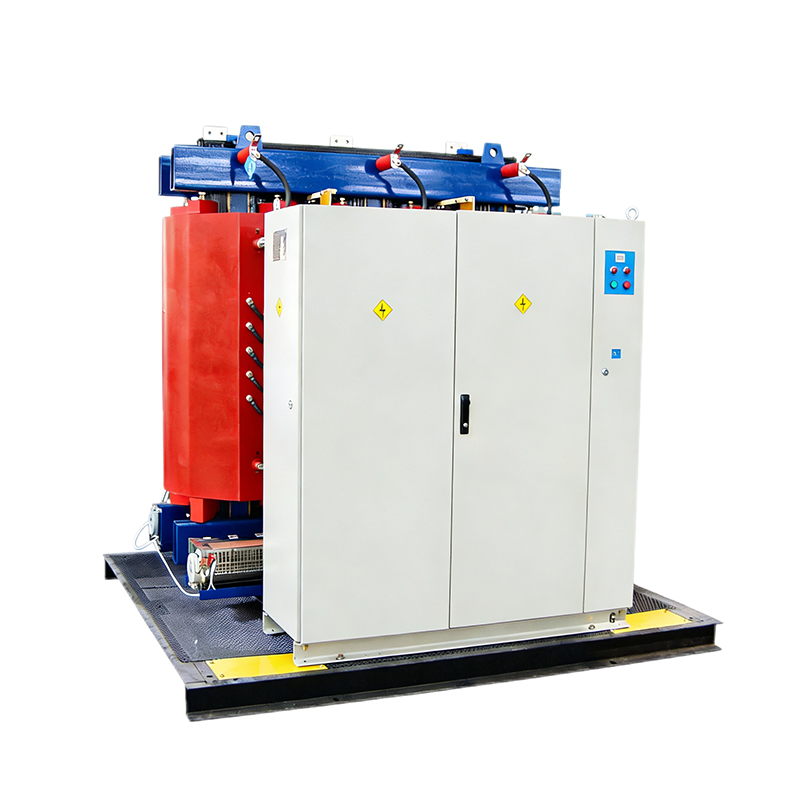
The dry-type on-load tap-changing transformer is oil-free, explosion-proof, fireproof, and safe without leakage or pollution, and the dry-type on-load tap-changing transformer enjoys convenient mainte...
See Details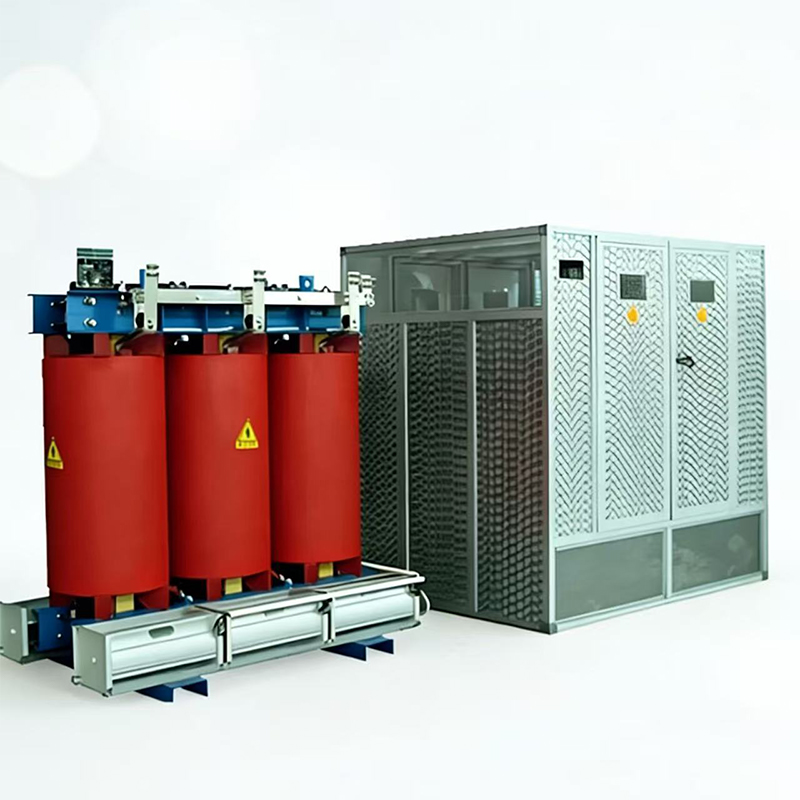
The dry-type transformer with stainless steel casing features stable overall structure, excellent rust resistance and corrosion resistance. The dry-type transformer with stainless steel casing has str...
See Details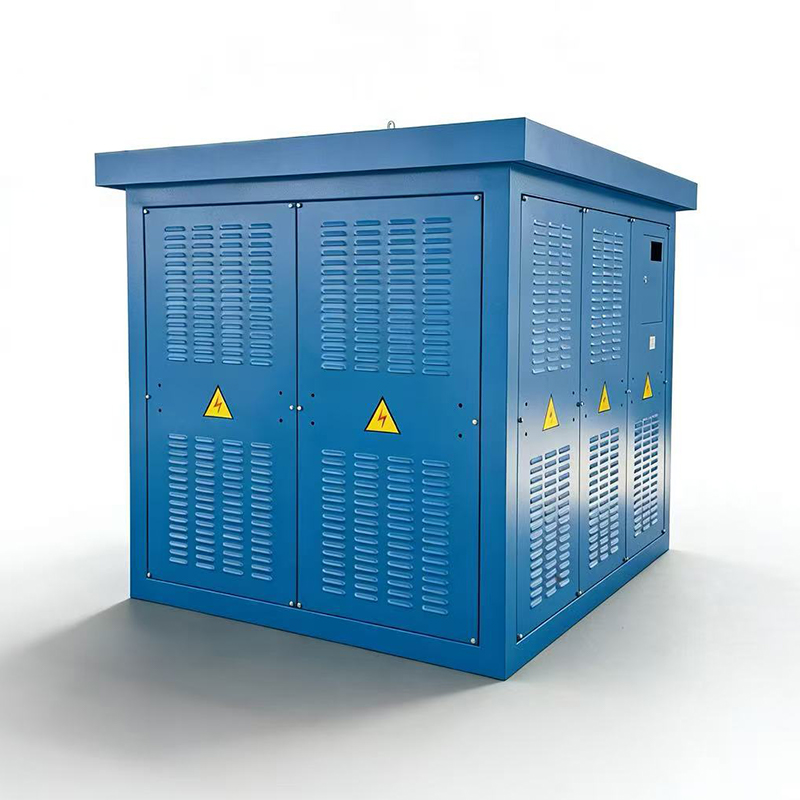
The dry-type transformer with powder-coated casing adopts a metal plate shell with powder coating treatment. The dry-type transformer with powder-coated casing features firm and wear-resistant paint f...
See Details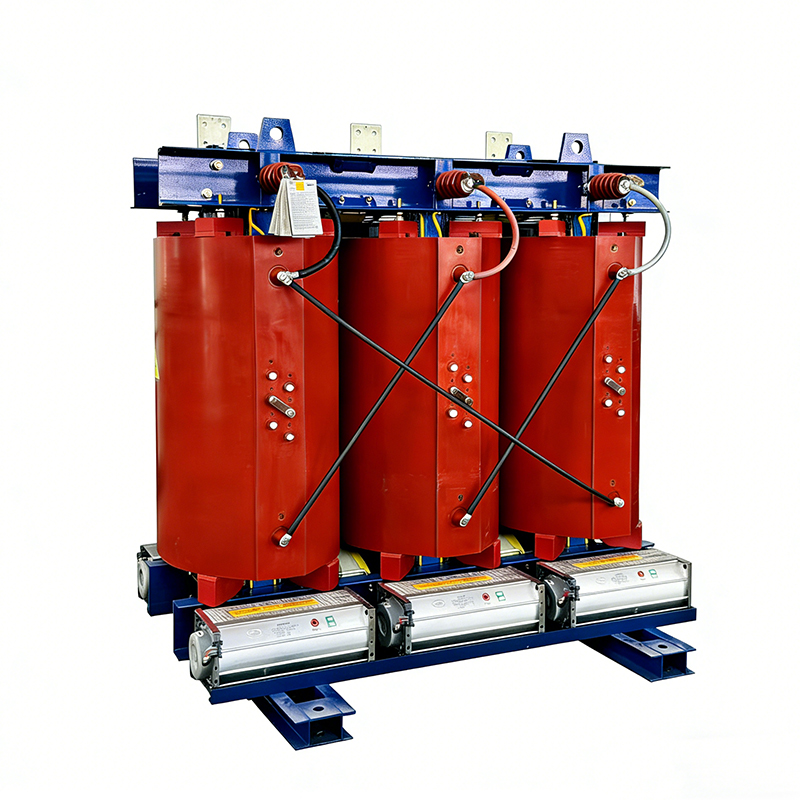
The dry-type distribution transformer adopts an epoxy resin cast insulation structure, which is non-toxic, flame-retardant, safe, and environment-friendly with high mechanical strength. The dry-type d...
See DetailsHey! Interested in staying in the loop? Sign up for our updates. We won't spam you, pinky promise.

Taizhou Haitian Electric Manufacture Co., Ltd.
