Why Compartment Segregation Design Determines Fault Containment in a Box-type Substation
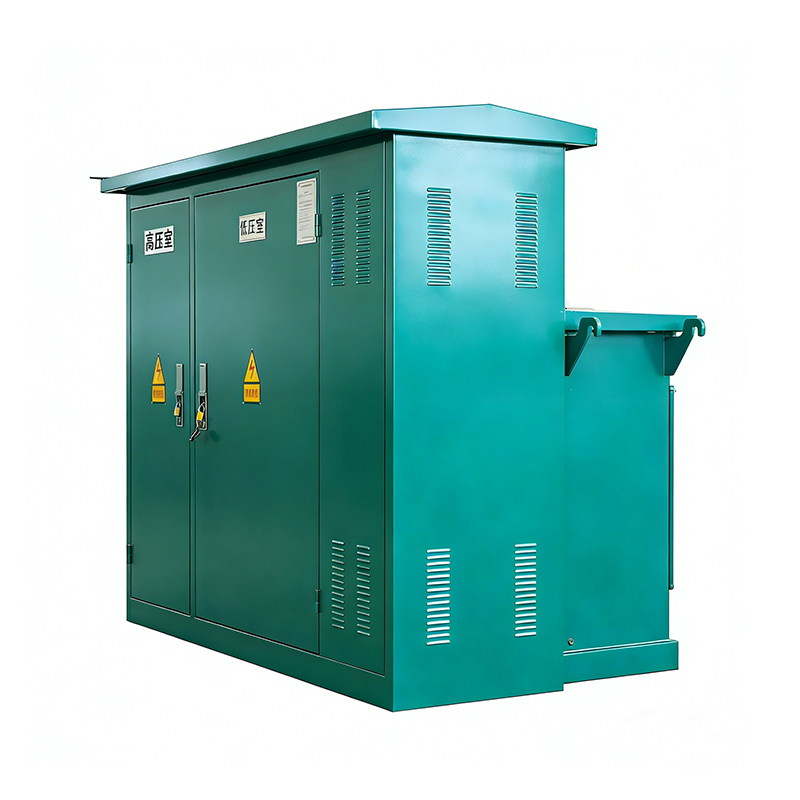
A box-type substation packages the transformer, high-voltage switchgear, and low-voltage distribution equipment into a single enclosure, and how the internal compartments are segregated from each other has a direct bearing on what happens when an internal fault occurs. Units with metal barrier walls separating the transformer chamber from the switchgear compartment can contain an arc fault or oil-related event within its originating section, preventing damage from spreading to adjacent equipment and allowing faster fault isolation without shutting down the entire substation. Designs that skimp on internal segregation to reduce enclosure size may pass initial inspection but expose the facility to cascading equipment damage if a single component fails.
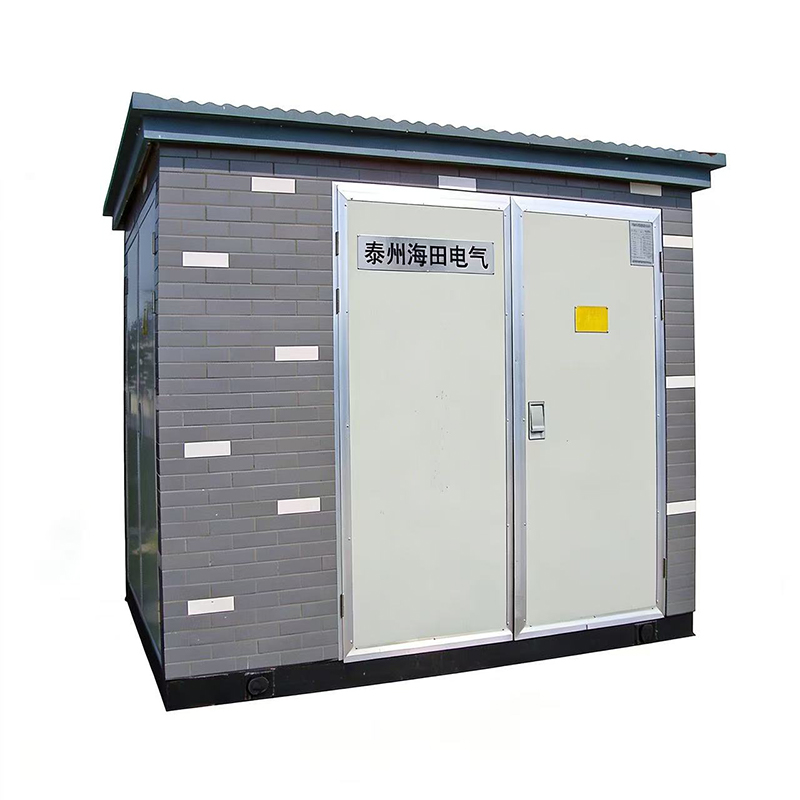
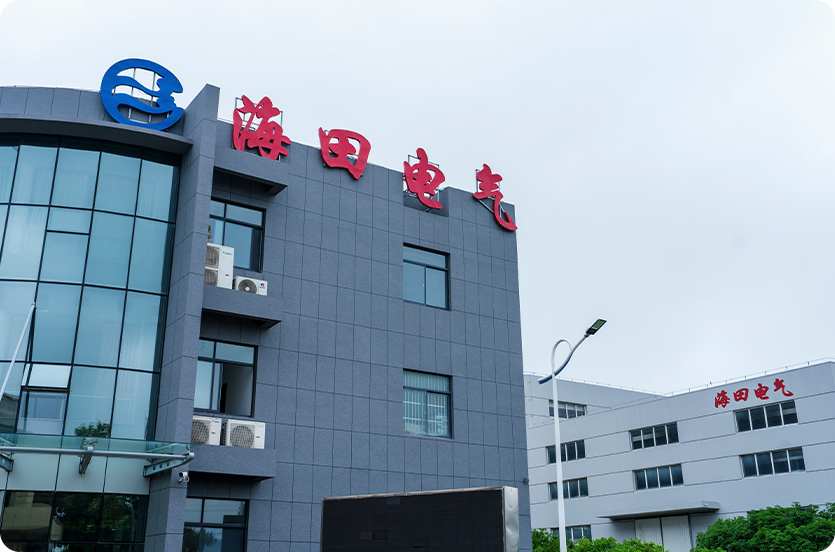
With over 50 years of transformer manufacturing experience and production covering box-type substations alongside 35kV and below transformers and high & low voltage switchgears, Taizhou Haitian Electric Manufacture Co., Ltd. designs compartment layouts with fault containment as a primary consideration, not just a space-planning exercise, since the enclosure's internal architecture ultimately determines how a single-point failure plays out across the entire unit.
Ventilation Louver Placement and Its Effect on Internal Condensation
Outdoor box-type substations face a specific condensation challenge that indoor switchgear rarely encounters: daily temperature swings between hot daytime operation and cooler nighttime air cause moisture to condense on internal metal surfaces, particularly around busbar connections and cable terminations. Ventilation louver placement plays a larger role in controlling this than most specifications acknowledge, since louvers positioned only at a single height create a still-air zone in other parts of the enclosure where condensation accumulates undisturbed.
Effective designs place ventilation openings at both low and high points to establish a natural convective airflow path that continuously exchanges internal air rather than relying on passive diffusion. This detail matters most in regions with high diurnal temperature variation or coastal humidity, where condensation-related insulation tracking is a more common failure trigger than any electrical overload event.
Conditions That Increase Condensation Risk
- Large daily temperature swings between day and night operation
- Coastal or high-humidity installation sites
- Enclosures with single-height ventilation openings rather than low-and-high placement
Matching Box-type Substation Configuration to Renewable Energy Feed-In Requirements
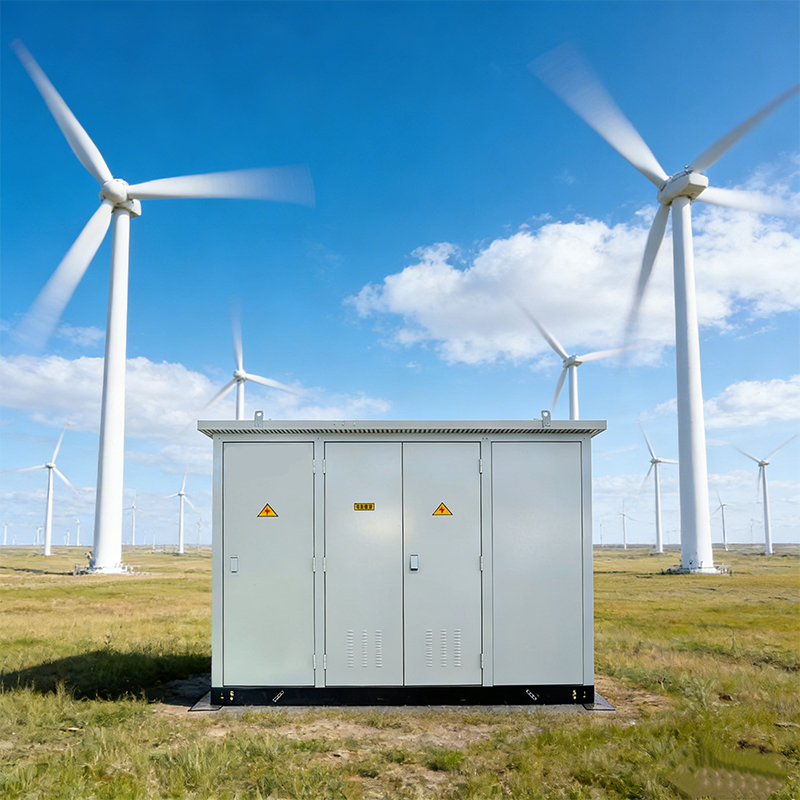
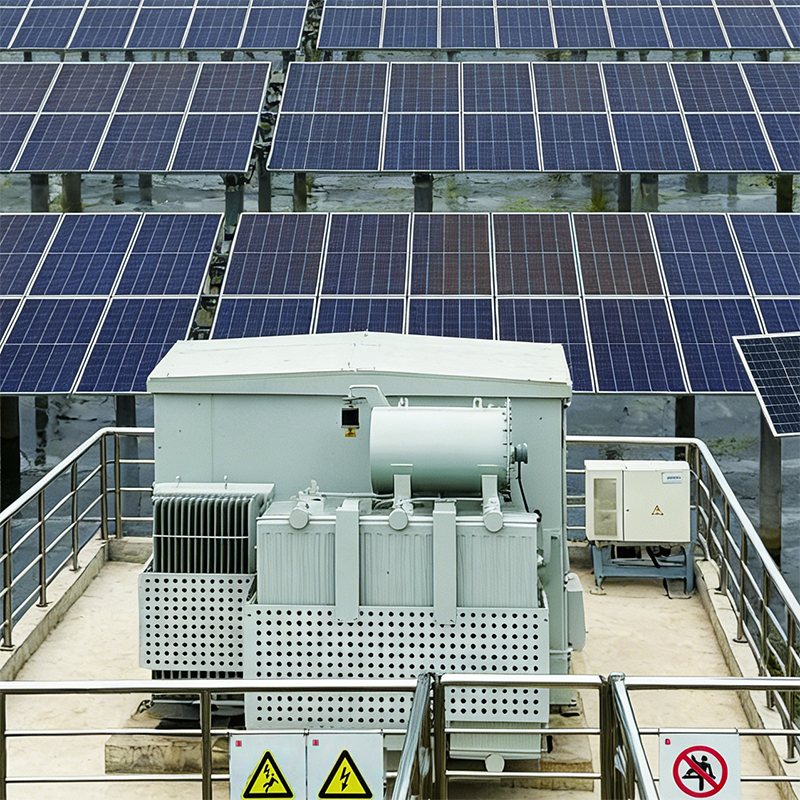
Photovoltaic and wind power projects place unusual demands on a box-type substation compared to standard distribution applications, since renewable output fluctuates continuously rather than following the relatively predictable load curve of a commercial or industrial site. This fluctuation means internal protection relay settings, transformer overload margins, and tap changer response times all need to be coordinated around variable generation patterns rather than steady consumption, which is a fundamentally different engineering problem than sizing a substation for a fixed industrial load.
Taizhou Haitian Electric Manufacture Co., Ltd.'s product range specifically includes photovoltaic and wind power prefabricated substations alongside standard box-type units, reflecting this distinction in design approach. A substation built for steady industrial load and simply relabeled for solar or wind application often has protection settings poorly matched to intermittent generation, leading to nuisance tripping during output ramps or, worse, inadequate protection during sudden generation spikes on clear, windy days.
Why Enclosure IP Rating Alone Doesn't Guarantee Long-Term Corrosion Resistance
An IP rating describes an enclosure's resistance to dust and water ingress at the moment of testing, but it says nothing about how the enclosure material and coating will hold up after years of UV exposure, thermal cycling, and mechanical wear from routine access panel use. Two box-type substations with identical IP54 ratings can have dramatically different corrosion timelines depending on whether the base material is galvanized steel, stainless steel, or standard painted mild steel, and whether the coating system includes a zinc-rich primer layer beneath the topcoat.
This is why procurement specifications should request base material and coating system details separately from the IP rating figure, particularly for outdoor installations expected to remain in service for two decades or more. Taizhou Haitian Electric Manufacture Co., Ltd. produces enclosures with independent IP and full national testing behind each product line, giving buyers documented material and coating specifications to compare rather than relying on the IP figure as a proxy for long-term durability.
| Enclosure Material |
Typical Corrosion Resistance |
Recommended Use Case |
| Painted mild steel |
Moderate, dependent on coating quality |
Standard inland industrial sites |
| Galvanized steel |
Good, sacrificial zinc layer |
Higher humidity or exposed outdoor sites |
| Stainless steel |
Excellent, minimal maintenance needed |
Coastal or highly corrosive environments |
How Green Factory Certification Standards Translate to Substation Efficiency
Environmental and energy management certifications are sometimes treated as marketing credentials disconnected from actual product performance, but the underlying management systems they represent generally do influence how a box-type substation is engineered and produced. A manufacturer operating under an active ISO50001 energy management system, for example, is required to track and continuously improve energy performance across its own production processes, which tends to carry over into a more disciplined approach toward loss minimization in the transformer and switchgear components housed inside the substation.
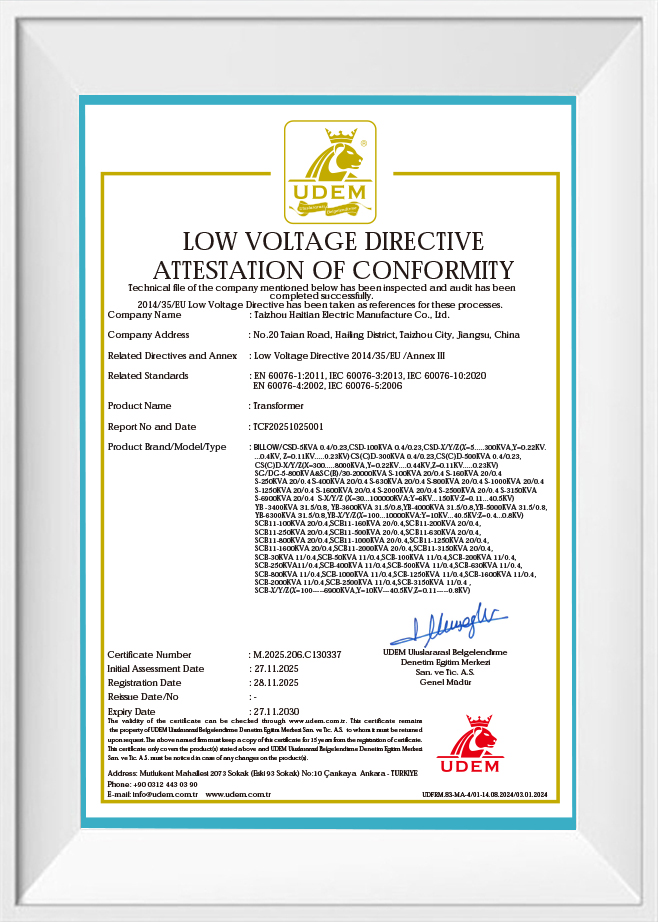
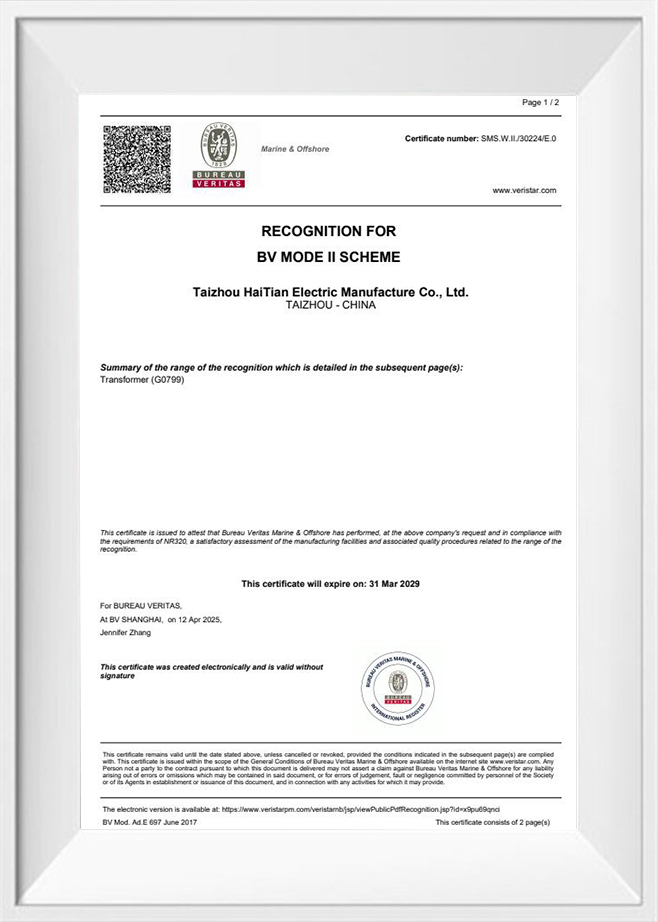
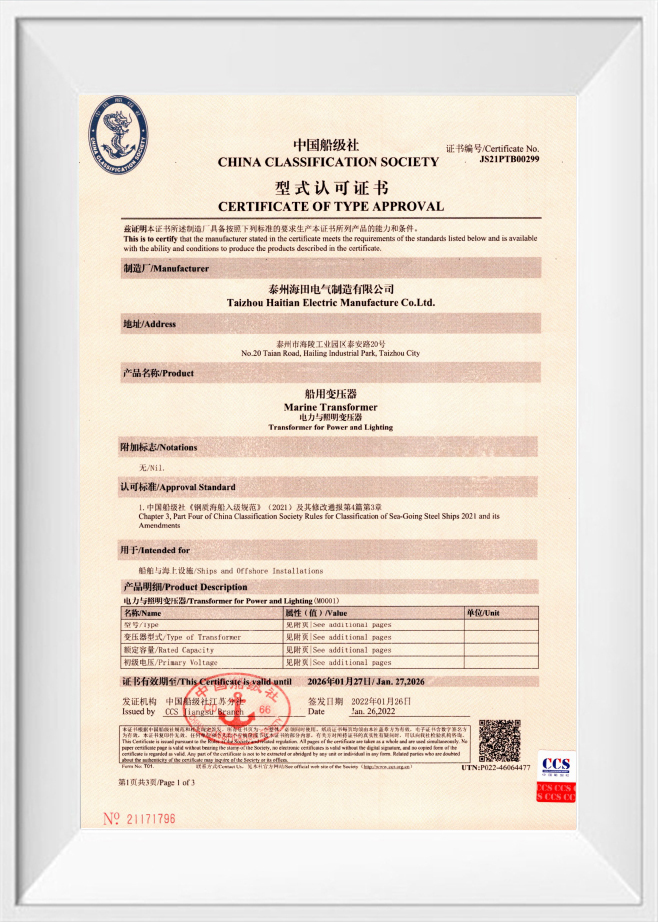
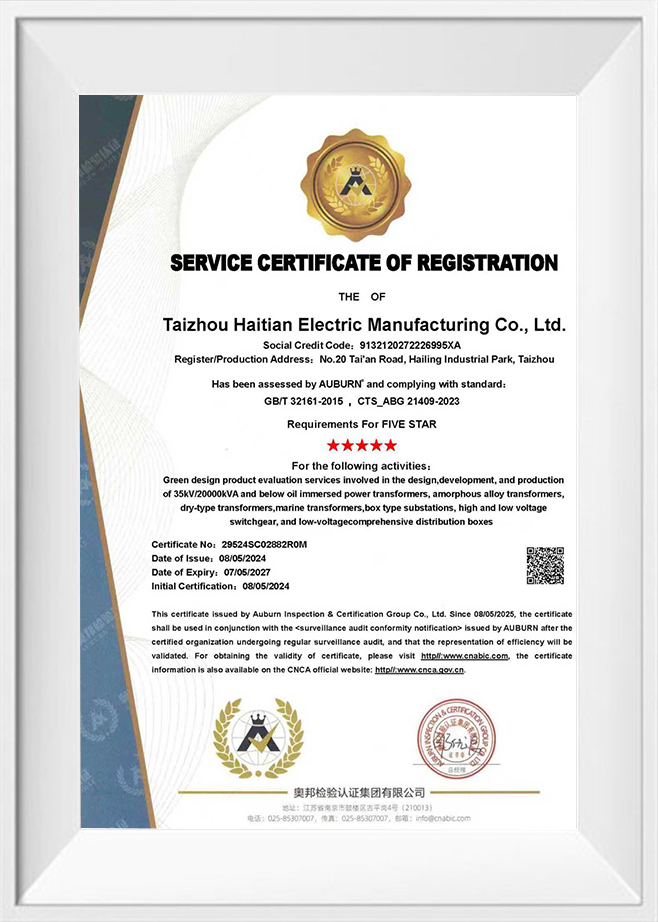
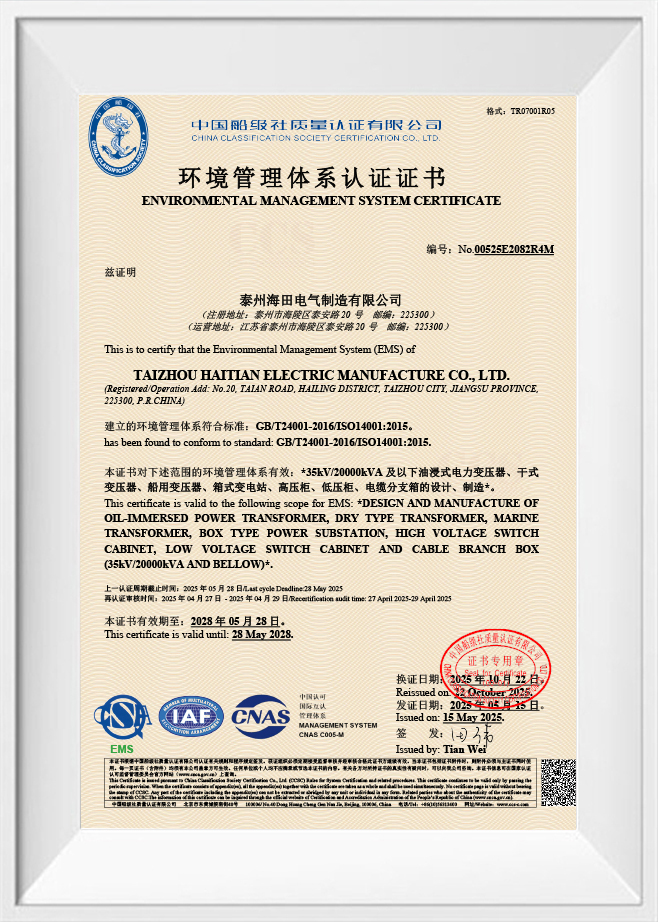
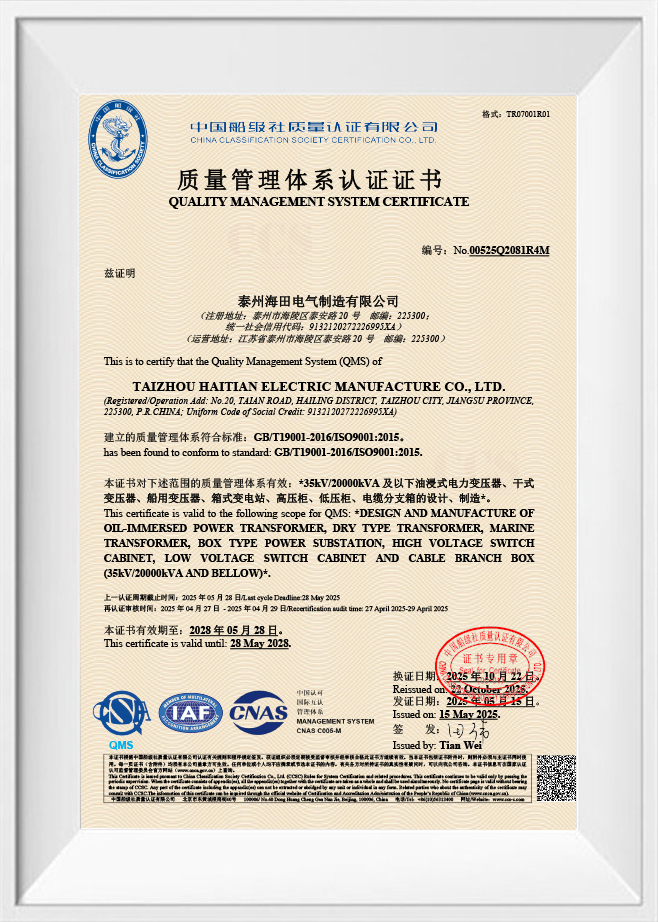
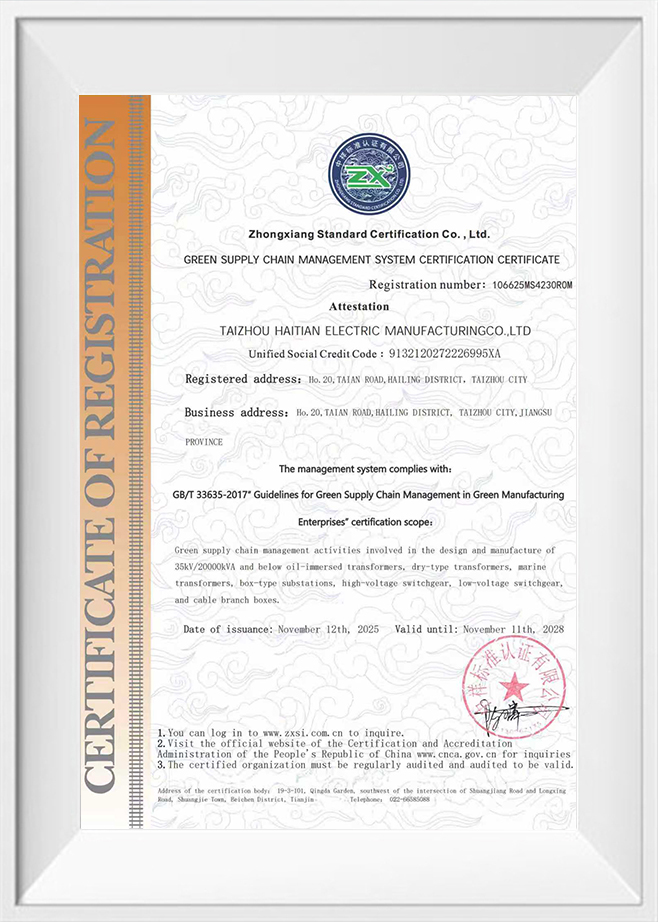
Taizhou Haitian Electric Manufacture Co., Ltd. holds ISO9001, ISO14001, GB/T28001, and ISO50001-2018 certifications, along with green supply chain, carbon footprint evaluation, greenhouse gas verification, and Jiangsu Green Factory Certificate recognition. For procurement teams evaluating suppliers on sustainability criteria, these certifications provide a verifiable basis for comparison beyond a single efficiency percentage claimed on a datasheet, since they reflect an ongoing management commitment rather than a one-time test result.

 English
 русский
 Français
 Español
 عربى
عربى