 English
 русский
 Français
 Español
 عربى
A laminated core distribution transformer is a classic power device applied to voltage conversion and power transmission. This transformer enjoys mature technical performance, high operation reliabili...
See Details

Content
A factory acceptance test is the last clear look a buyer gets at equipment before it is crated, loaded and shipped. It is also the point where small misunderstandings turn into expensive ones: a routine test sheet nobody can find, a trip setting that was never written down, a paint finish that no drawing specified. Having stood on both sides of the test bay — running the tests as a manufacturer and answering a buyer's checklist as a supplier — we have learned one thing that holds as true for a 50 kVA distribution transformer as for a complete package substation: a good checklist is written at the contract stage, not the week before the test.
What follows is how we would build one, in the order we would build it.
Templates are useful for structure and dangerous for content. The first page of any checklist should answer three questions: what exactly is being tested, against which specification, and which of those tests will be witnessed by the buyer.
Write down the equipment type, ratings, serial numbers, the governing standard, and any contract clause that overrides it. Then split the test list into three buckets — routine tests performed on every unit, type tests already covered by a valid report, and additional or witnessed tests agreed for this order. Mixing those three together is the most common reason a test day runs long and ends with unresolved items.
It also helps to keep FAT and SAT in their proper places. The factory test confirms the equipment was built and performs as specified under controlled conditions. The site acceptance test confirms it survived transport and works with the rest of the plant. A checklist that tries to do both usually does neither well.
For packaged equipment the scope question gets bigger, because the transformer, the switchgear and the enclosure are tested both individually and together. If the order is a European-type box substation or a prefabricated unit for a solar or wind farm, decide in advance which checks are repeated at system level — interlocks, auxiliary supply, lighting, ventilation, remote signalling — and which are accepted from the component reports.
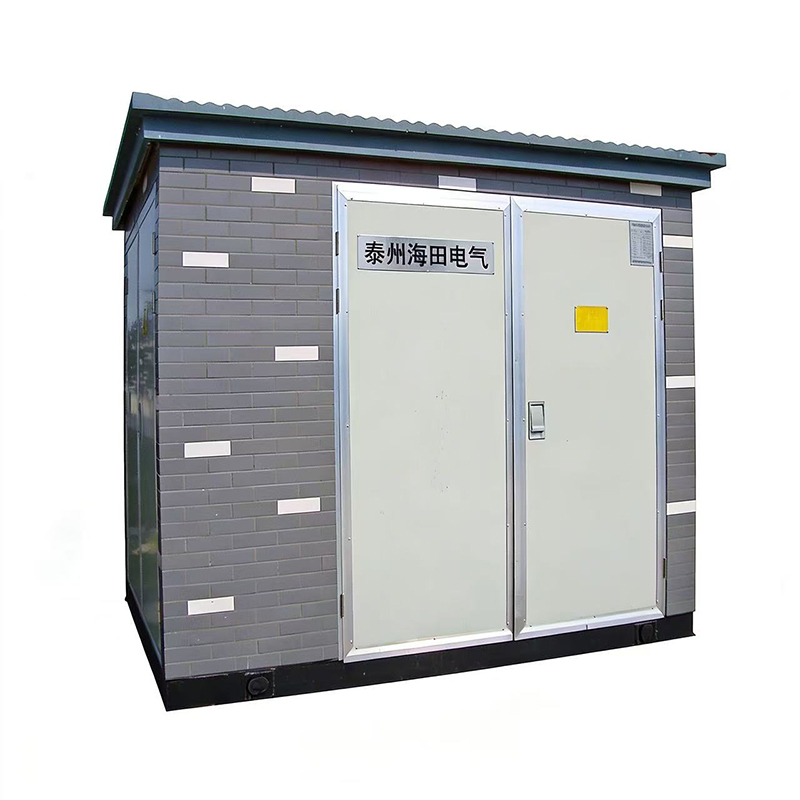 Prefabricated European-Type Box Substation for Packaged EquipmentPrefabricated substation integrating high-voltage distribution, transformer, low-voltage distribution, protection and metering; useful when defining system-level checks for packaged equipment.View Product →
Where a project involves several of these pieces, it is worth agreeing one test philosophy across all of them before the paperwork is fixed. Our engineers are always willing to walk through the options while the specification is still open.
Most checklists fail not because they miss a test, but because they miss a column. A line that says "check insulation" tells nobody what was measured, against what limit, or who accepted the result. Build the sheet so every row carries a test, a limit, a recorded value, a verdict and a signature.
| Checklist section | What it should capture | What you keep afterwards |
|---|---|---|
| Document review | Approved drawings, material and component certificates, routine test sheets, instrument calibration records | Signed document list with revision numbers |
| Visual and dimensional | Enclosure finish, welding, clearances, cable entries, labels, corrosion protection | Photo set and marked-up drawing |
| Electrical tests | Winding resistance, ratio, insulation resistance, power-frequency withstand, losses and impedance | Test sheets with measured values, not tick marks |
| Mechanical and functional | Operating sequences, breaker racking, interlocks, door and earthing interlocks | Sequence record and short video |
| Protection and alarms | Relay settings, trip tests, sensor calibration, annunciation | Setting sheet and trip log |
| Nameplate and marking | Ratings, serial number, phase and terminal markings, warning labels | Photograph of every nameplate |
| Packing and shipment | Seaworthy packing, desiccant, shock indicators, lifting points, accessories list | Packing inspection record |
| Punch list and release | Open items, responsibilities, due dates, retest results | Signed FAT report and release note |
Standards tell you what to measure; they rarely tell you what your sheet should look like. For oil-immersed and dry-type distribution transformers to the IEC 60076 series, a routine list usually covers winding resistance, voltage ratio and phase displacement, insulation resistance, power-frequency withstand, no-load loss and current, short-circuit impedance and load loss, plus oil tests where applicable.
The mix shifts with the insulation system. A dry-type unit has no oil to sample, but the checklist gains winding temperature rise verification, thermal class checks and a closer look at clearances and enclosure ventilation. Those differences matter more than the shared lines, so it is worth writing a separate sheet for each product family rather than one universal form.
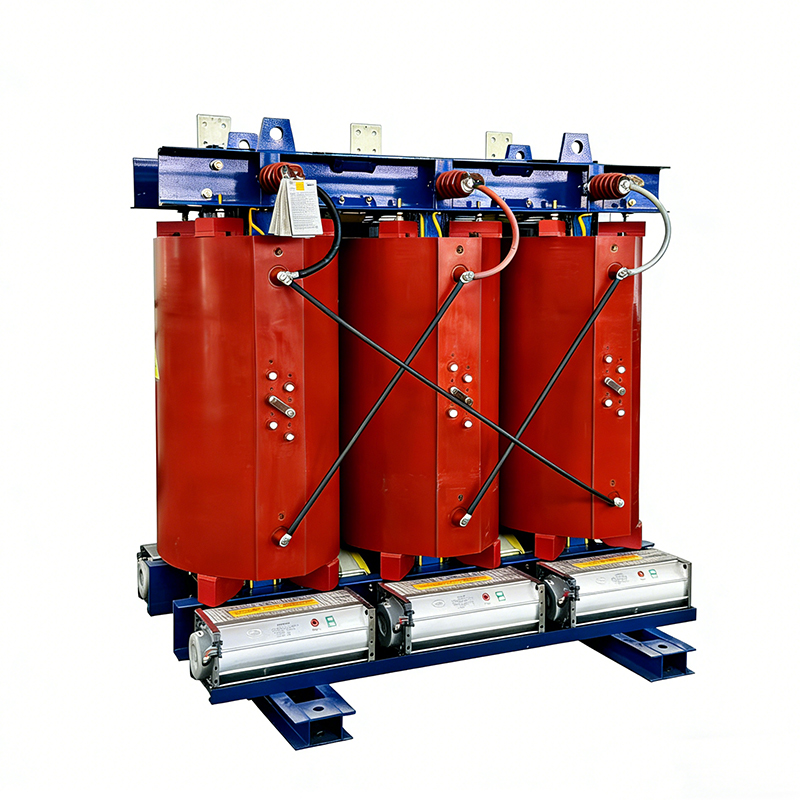 SC(B)10 Dry-Type Distribution Transformer for 10 kVEpoxy resin cast dry-type transformer for 10 kV indoor distribution, with low loss and maintenance-free operation; suited to compact urban substations and separate product-family test sheets.View Product →
Marine and offshore units sit in another regime again. Beyond the electrical routine tests, the checklist picks up vibration and inclination, ingress protection, corrosion protection and classification society witnessing. The design background behind those extra lines is summarised in our note on marine transformer design standards and selection.
"Satisfactory" is not a criterion. Every line needs a value, a tolerance, a reference to the clause it comes from, and a rule for what happens when a result lands close to the limit. Insulation resistance measured at 500 V DC and expressed in megohms is useful; a remark that it "looked fine" is not.
Give the same treatment to the non-electrical items. Paint thickness in microns, torque values for busbar joints, enclosure IP rating, noise level in decibels at a stated distance, and the exact packing specification all belong on the sheet. It is far easier to argue about a tolerance before the test than after the container has sailed.
Decide in advance who has authority to accept a marginal result, and record that decision on the sheet while the people are still in the room.
A test day is a scheduling exercise as much as a technical one. Confirm who attends — the buyer's project engineer, a quality representative, a third-party inspector, the factory test engineer — and make sure at least one person present can sign for the buyer. Agree the sequence so that any failed item can be reworked and retested before the team leaves the factory, rather than becoming a photograph and a promise.
Build in hold points. These are the moments where testing stops until a signature is given, and they are what stops a marginal result quietly becoming an accepted one. Also brief the visitors on safety induction, PPE, and which areas are live; a power-frequency withstand test can take a test bay out of service for an afternoon.
Functional sequences deserve their own block. Breaker racking, door interlocks, loss-of-supply changeover, alarm annunciation and remote signalling are quick to write and slow to demonstrate, so schedule them while the bay is already energised. A low-voltage assembly can often be cleared in an hour; a medium-voltage lineup with several ways will take most of a day.
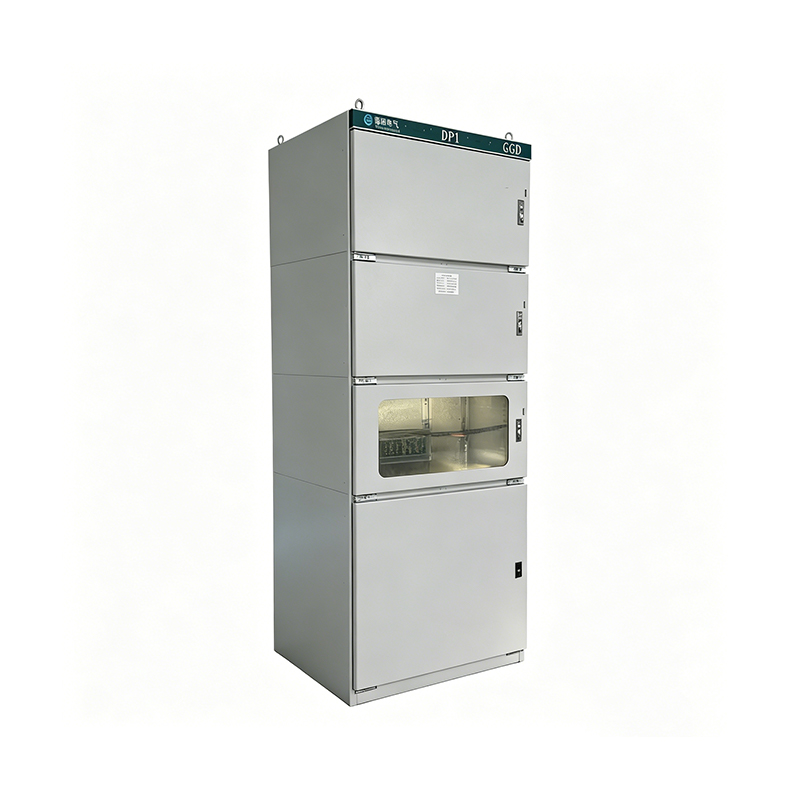 GGD Low Voltage Switchgear for Distribution and ControlLow-voltage distribution device with high breaking capacity and complete internal circuits, relevant when planning functional sequence checks for low-voltage assemblies.View Product →
Deviations are normal. Unmanaged deviations are what cause disputes. Handle them in five steps:
Keep concessions short and specific. A concession that says "minor paint defect accepted" invites a debate later; one that names the panel, the area, and the agreed touch-up method does not.
The checklist is only the instrument. The evidence pack is the result, and it should leave the factory with the equipment:
None of this is complicated, but all of it is easy to postpone. The teams that get the most from a factory acceptance test are rarely the ones with the longest checklist; they are the ones who agreed, early and in writing, what would be measured, what would count as a pass, and who would sign. Everything else is administration on the day.
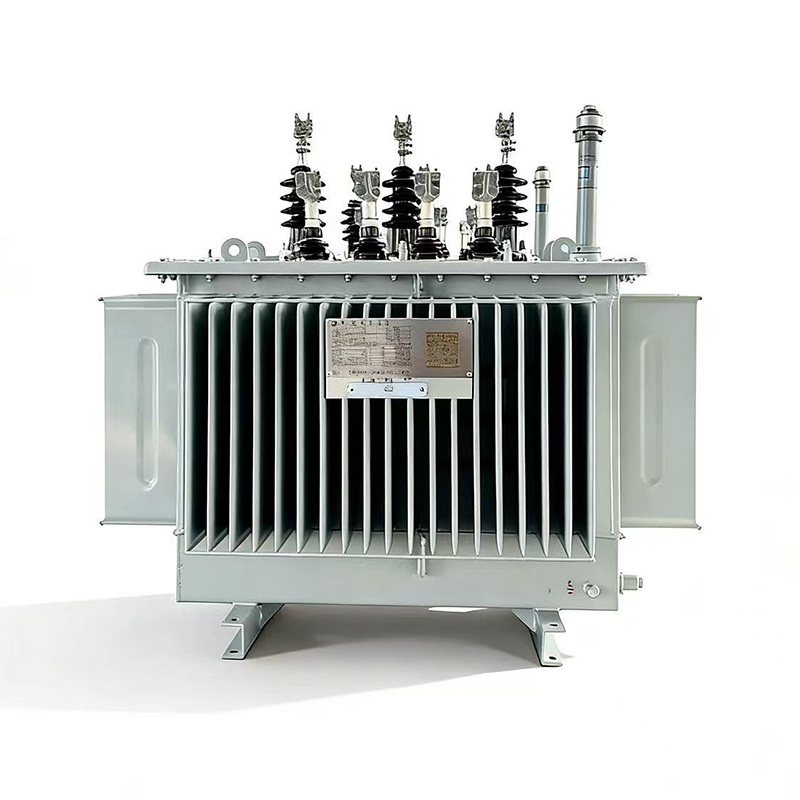
A laminated core distribution transformer is a classic power device applied to voltage conversion and power transmission. This transformer enjoys mature technical performance, high operation reliabili...
See Details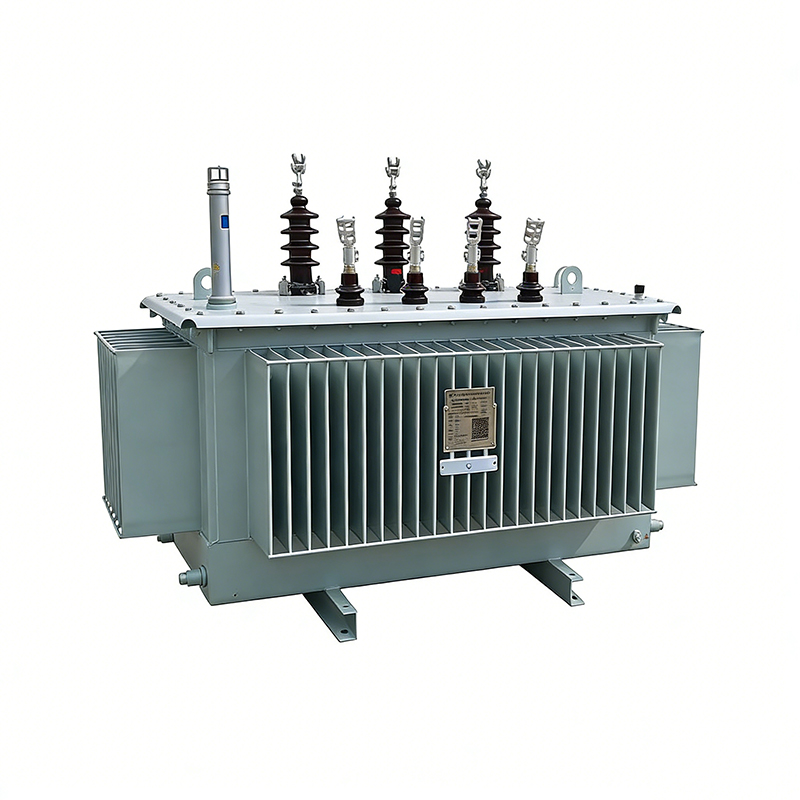
The amorphous alloy non-distribution transformer adopts an iron-based amorphous alloy wound core and a fully sealed oil-immersed corrugated oil tank structure. This transformer features extremely low ...
See Details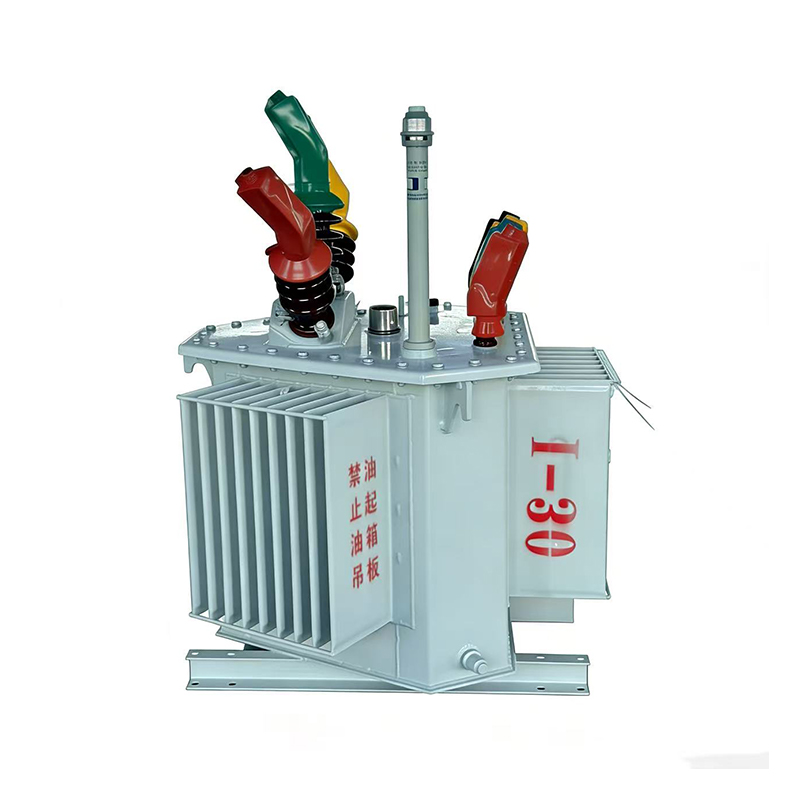
Three-dimensional Wound Core Distribution Transformer. The oil-immersed three-dimensional wound core distribution transformer adopts high-quality cold-rolled oriented silicon steel sheets formed throu...
See Details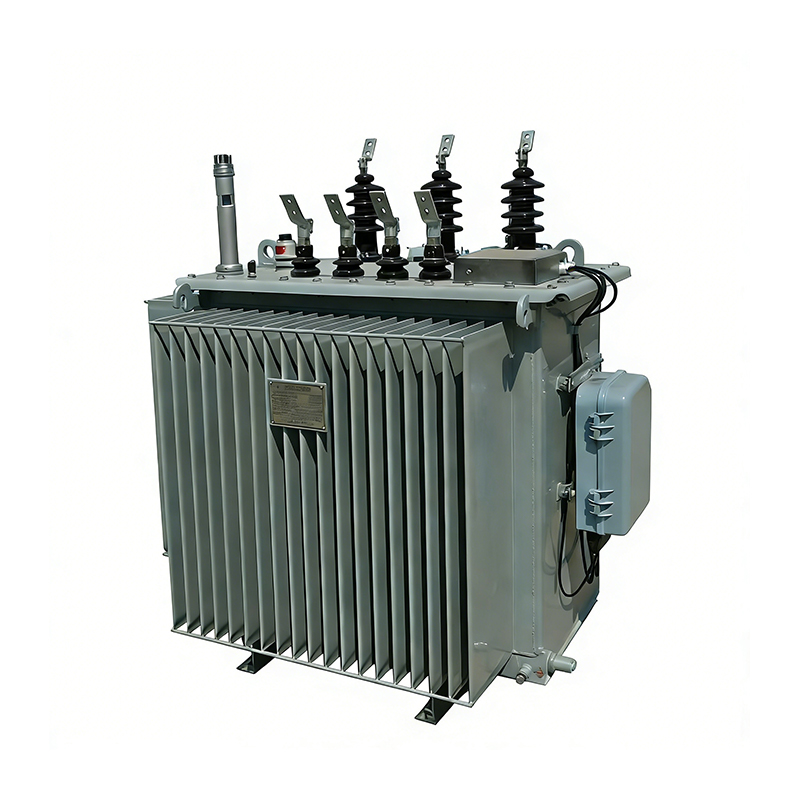
The oil-immersed on-load tap-changing distribution transformer adopts a high-quality laminated silicon steel core and oxygen-free copper windings with a stable structure and strong short-circuit resis...
See DetailsHey! Interested in staying in the loop? Sign up for our updates. We won't spam you, pinky promise.

Taizhou Haitian Electric Manufacture Co., Ltd.
