 English
 русский
 Français
 Español
 عربى
عربى
The winding is integrally cast with epoxy resin for tight moisture resistance.The core adopts cold-rolled silicon steel sheets with 45° full miter joints, equipped with a special marine reinforced cla...
See Details

Content
A marine transformer is built to survive conditions that would degrade a standard industrial unit within months: constant vibration, salt-laden air, temperature swings, and strict space limits inside a vessel's hull. These units power navigation systems, propulsion drives, and onboard distribution networks, and their reliability directly affects whether a ship can stay operational at sea without unplanned dry-docking.
Core Conclusion: A marine transformer built to classification society standards (DNV, ABS, or Lloyd's Register) typically achieves 20 to 25 years of service life at sea, compared to premature failure within 5 to 8 years for uncertified industrial units exposed to the same conditions.
A true marine transformer isn't an industrial unit placed in a metal box. Every component — from winding varnish to enclosure gaskets — is selected to resist the specific stresses of a shipboard environment.
Enclosures use marine-grade stainless steel or specially coated steel, with windings treated using anti-corrosive varnish to withstand salt fog without insulation breakdown.
Units are tested against classification society shock and vibration standards, keeping windings and terminal connections intact under continuous engine-induced vibration.
Ratings of IP44 to IP56 are common depending on installation location, protecting internal components from water spray and dust in engine rooms or open decks.
The gap between a marine-rated unit and a standard industrial transformer becomes clear once compared against real shipboard conditions.
Comparison of marine-rated and standard industrial transformers under shipboard conditions
Shipowners often assume mechanical stress from engine vibration is the primary failure driver, but field data from marine electrical surveys tells a different story. Corrosion-related insulation breakdown remains the single largest cause of premature failure.
Approximate distribution of marine transformer failure root causes, based on shipboard electrical survey data
The takeaway for procurement teams: enclosure sealing and coating quality matter as much as electrical specifications, since the top two failure causes both stem from environmental exposure rather than core electrical design.
Demand for marine transformers spans commercial shipping, offshore energy, and naval applications, each with different load profiles and certification requirements.
Commercial Cargo & Container Ships — 39%
Offshore Platforms & Support Vessels — 25%
Passenger & Cruise Vessels — 20%
Naval & Government Fleets — 16%
Estimated share of marine transformer demand by vessel type
Specifying a marine transformer requires more upfront coordination than a land-based equivalent, since classification approval and shipyard drawings both factor into the final design.
Identify whether the vessel is classed under DNV, ABS, Lloyd's Register, or CCS, since certification requirements and test protocols vary by society.
Engine room, deck, or enclosed switchgear room placements each call for different IP ratings and cooling requirements.
Weigh power requirements against the tight footprint typical of shipboard electrical rooms, prioritizing compact, high-density designs where needed.
Confirm vibration, shock, and fire testing certificates are available and match the required classification society standard before ordering.
Schedule insulation resistance and load testing during commissioning to establish a baseline before the vessel enters service.
A properly certified marine transformer costs more upfront than an uncertified industrial substitute, but the cost of an at-sea failure — unscheduled dry-docking, lost charter days, and emergency replacement logistics — typically dwarfs the initial price difference many times over.
20–25 yrs
Typical service life for a certified marine-grade unit with routine maintenance
36%
Share of failures traced to corrosion, preventable with proper sealing
4–6x
Cost multiple of emergency at-sea replacement versus planned procurement
Marine transformer maintenance schedules typically align with a vessel's classification society survey cycle, but certain checks should happen more frequently given the harsh operating environment.
Recommended inspection intervals and action thresholds for marine transformer maintenance
Maintaining dated inspection and test records is essential not just for reliability, but for passing classification society surveys without delays that could ground a vessel during a scheduled dry-dock window.
Marine transformers use corrosion-resistant construction, vibration-tested windings, and sealed IP-rated enclosures, and must carry classification society certification to be installed on a vessel.
Common certifying bodies include DNV, ABS, Lloyd's Register, and CCS, each with its own testing protocols for shock, vibration, and fire performance.
Ratings typically range from IP44 to IP56 depending on installation location, with higher ratings required for open-deck or water-exposed areas.
A certified marine-grade unit typically lasts 20 to 25 years with routine maintenance, compared to as little as 5 to 8 years for uncertified units exposed to marine conditions.
Salt and moisture-induced corrosion accounts for roughly 36 percent of failures, making enclosure sealing and coating quality critical selection factors.
Generally no for classed vessels — classification societies require certified marine-grade equipment, and uncertified units also fail prematurely under vibration and salt exposure.
Visual corrosion checks every 3 months, connection tightness checks every 6 months, and full insulation resistance testing annually is standard practice.
Request type test certificates for vibration and shock, classification society approval documents, and factory insulation and dielectric test reports before placing an order.
A marine transformer's value isn't measured by its nameplate rating alone — it's measured by how well it survives salt, vibration, and confined shipboard spaces over decades of service. Classification society certification, corrosion-resistant construction, and appropriate IP ratings aren't optional extras; they're what separates a unit that lasts 20+ years from one that fails within a few voyages.
For shipbuilders and vessel owners evaluating suppliers, confirm certification against your classification society, verify IP ratings match installation location, and request full type test documentation before ordering — the right marine transformer pays for itself many times over in avoided downtime.
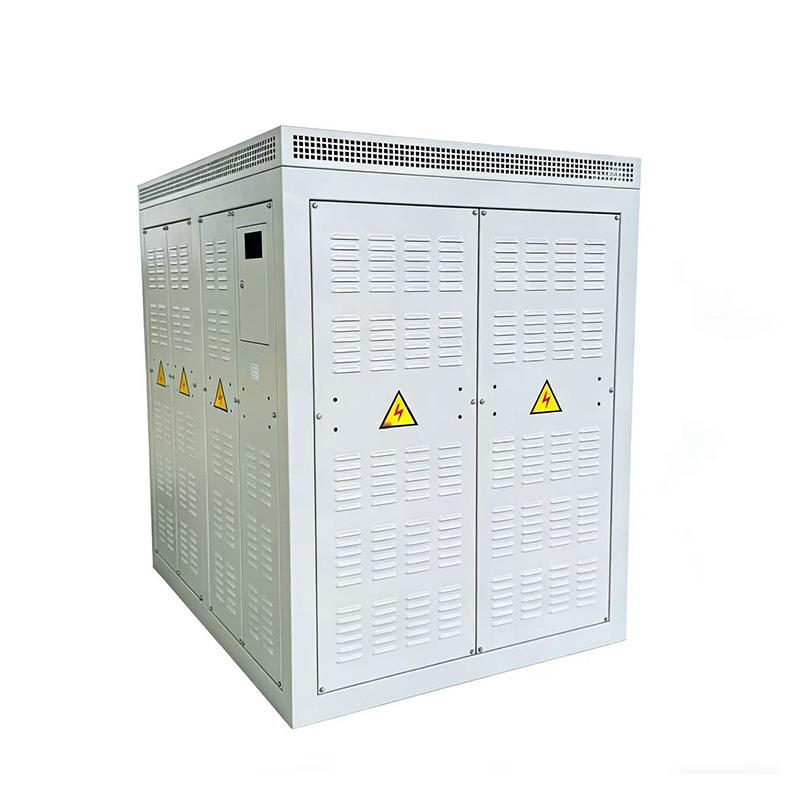
The winding is integrally cast with epoxy resin for tight moisture resistance.The core adopts cold-rolled silicon steel sheets with 45° full miter joints, equipped with a special marine reinforced cla...
See Details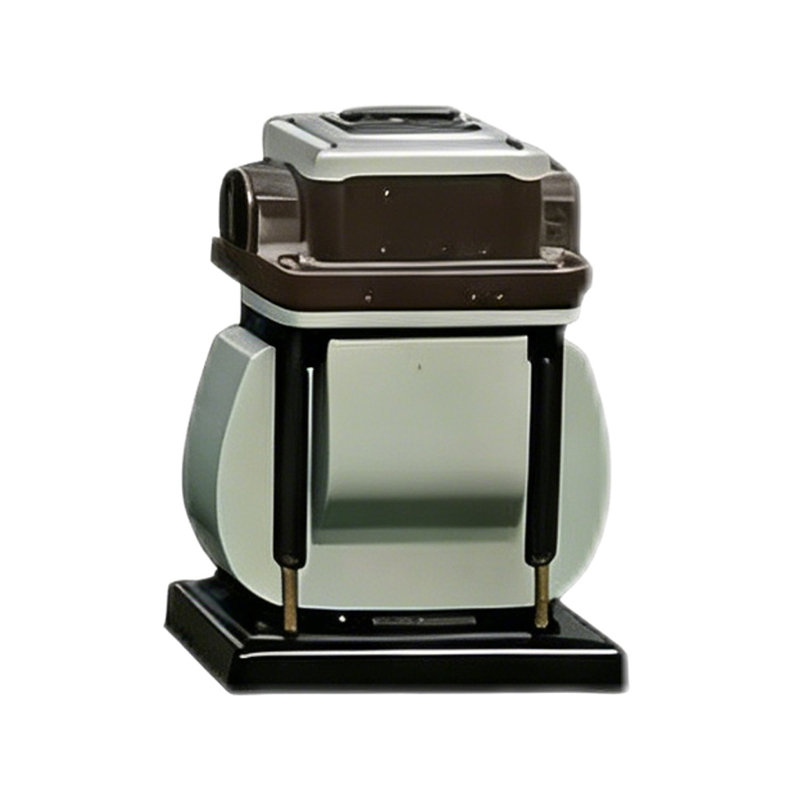
CDGSThe core is made of high-quality cold-rolled silicon steel strip by coiling and treated with a special process to reduce no-load current and no-load loss.The winding adopts Class B or Class F insu...
See Details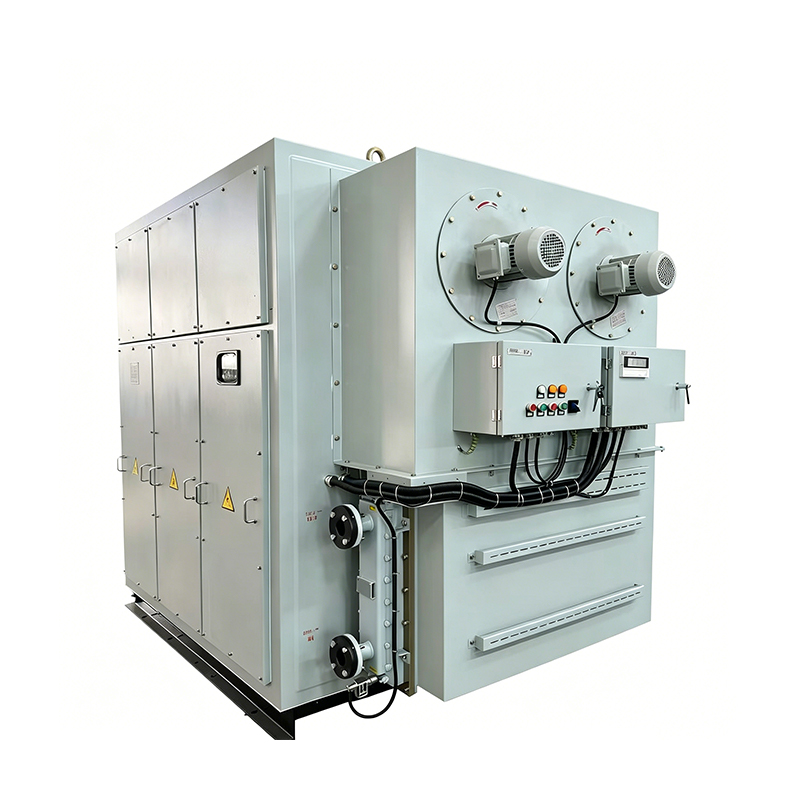
Marine water-cooled transformer is a new type of ship power distribution terminal equipment independently developed by Taizhou Haitian Electric Manufacturing Co., Ltd. (formerly Taibian).It features e...
See Details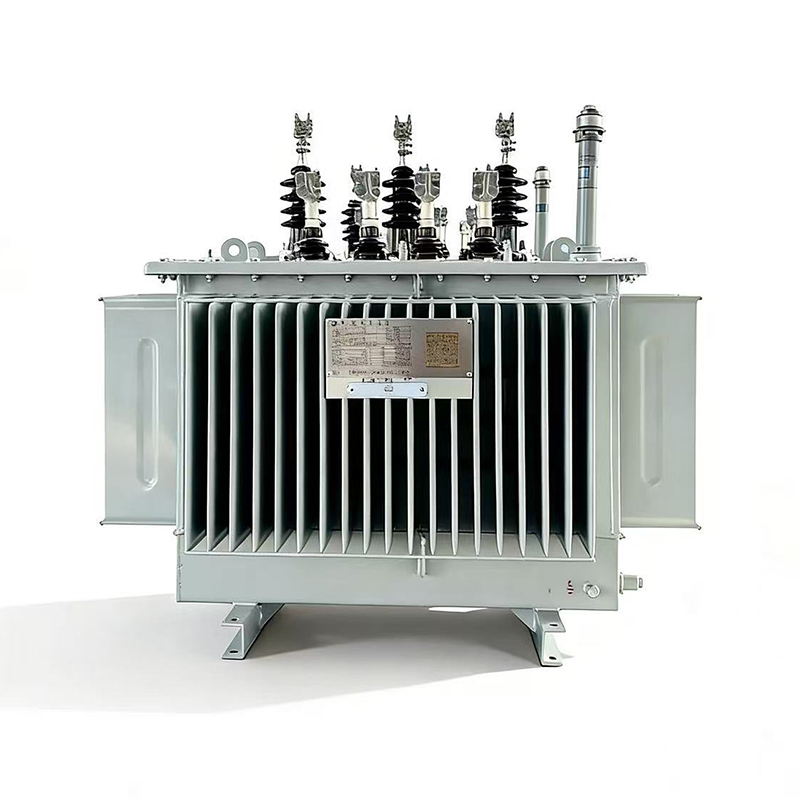
A laminated core distribution transformer is a classic power device applied to voltage conversion and power transmission. This transformer enjoys mature technical performance, high operation reliabili...
See DetailsHey! Interested in staying in the loop? Sign up for our updates. We won't spam you, pinky promise.

Taizhou Haitian Electric Manufacture Co., Ltd.
