Why Partial Discharge Testing Matters More for Dry-Type Than Oil-Filled Units
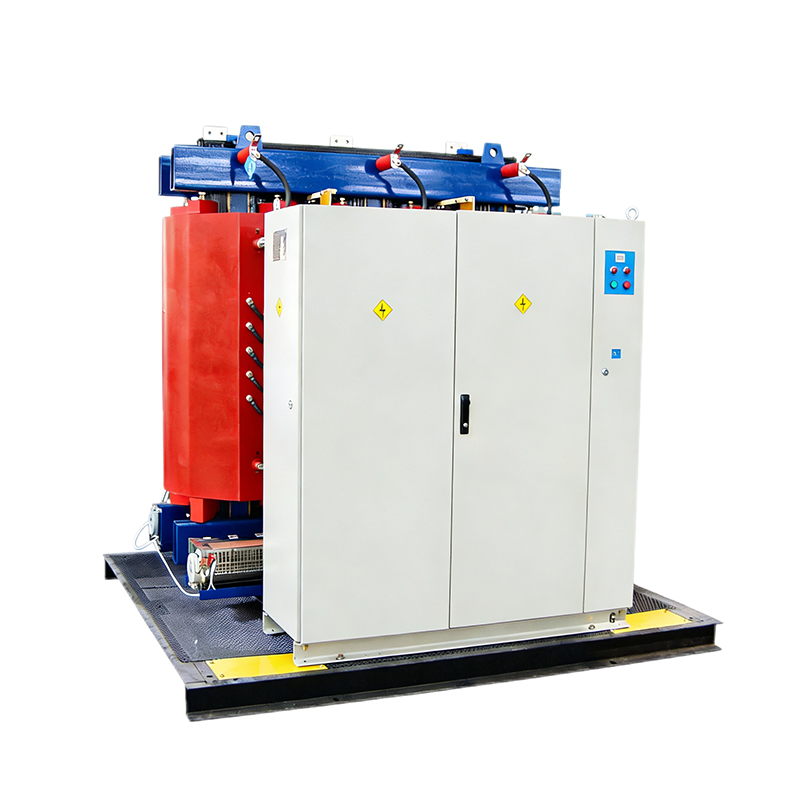
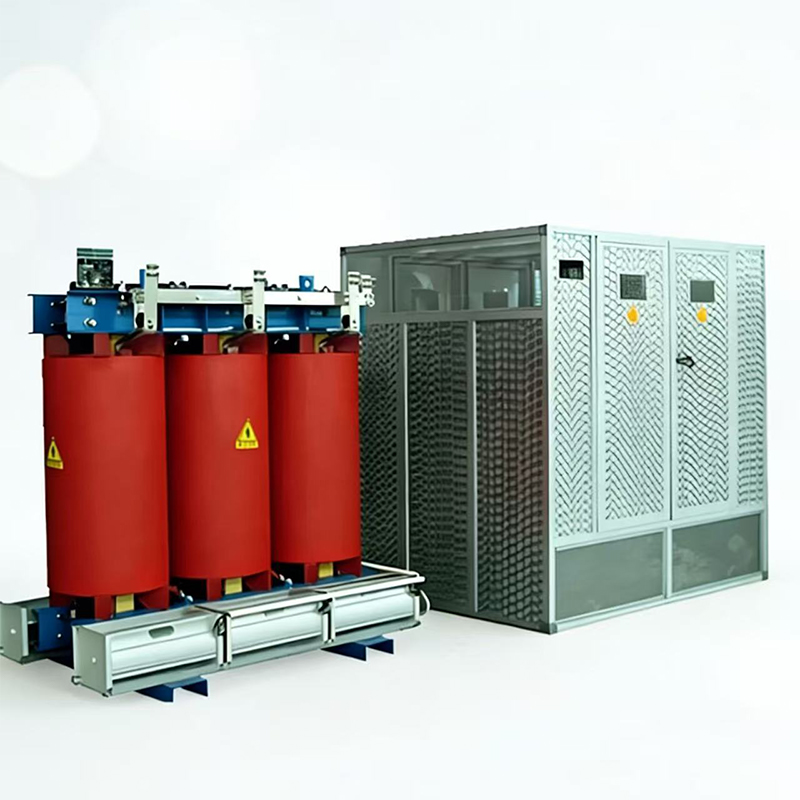
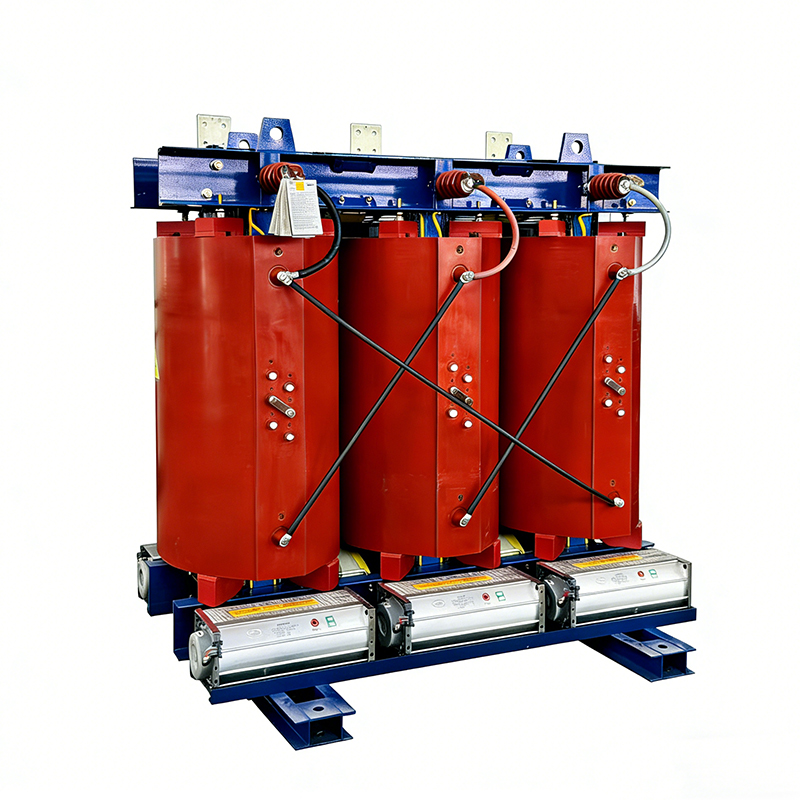
A dry-type transformer relies entirely on solid insulation, so any void, delamination, or contamination trapped inside the resin during casting becomes a permanent weak point that can only be detected through partial discharge (PD) testing, not through oil sampling as with liquid-filled designs. When resin cures around the windings, microscopic air pockets can form if the vacuum casting process isn't tightly controlled, and these voids become sites where electrical stress concentrates, slowly eroding the surrounding insulation through repeated micro-discharges long before any visible damage appears.
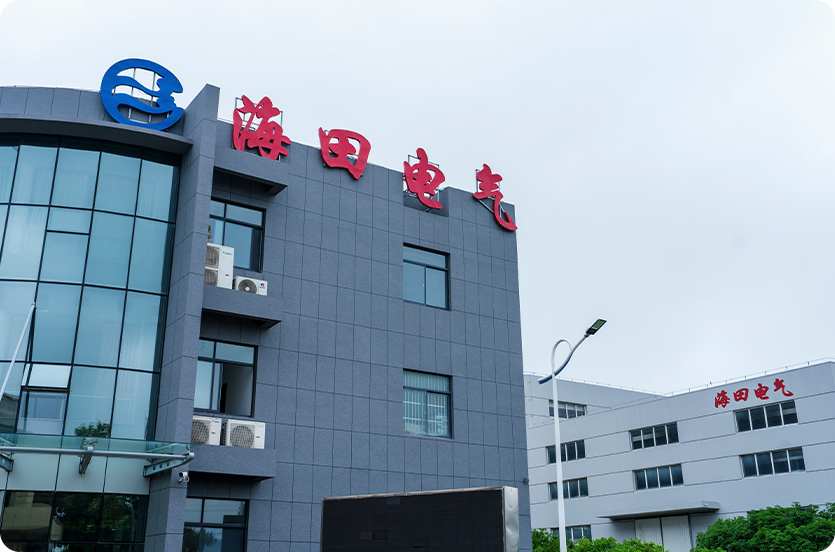
Because there's no oil to sample for early warning signs, PD testing at the factory stage becomes the primary quality gate rather than a periodic field check. Taizhou Haitian Electric Manufacture Co., Ltd. runs partial discharge measurement as a standard routine test across its dry-type transformer production line, using its own testing equipment among the over 100 sets of advanced domestic production and testing equipment installed at its 62,000㎡ facility, so that voids or casting defects are identified and rejected before a unit ever leaves the factory rather than discovered after years in service.
How Resin Formulation Affects Thermal Cycling Resistance
Not all cast epoxy resins behave the same way under repeated heating and cooling cycles, and this matters more than most buyers realize for applications with variable load profiles, such as facilities running production shifts or intermittent industrial processes. Resin with a poorly matched coefficient of thermal expansion relative to the copper or aluminum conductor will develop microscopic cracks at the resin-to-metal interface over repeated cycles, since the two materials expand and contract at different rates every time the load changes significantly.
These cracks don't cause immediate failure, but they create pathways for moisture ingress over time, which is particularly damaging in humid environments. Formulations that incorporate silica filler in carefully controlled ratios reduce this mismatch and extend the number of thermal cycles a winding can withstand before microcracking begins. This is one reason resin formulation quality varies significantly between manufacturers even when nameplate specifications look identical on paper.
Load Profiles That Increase Thermal Cycling Stress
- Facilities with single-shift or intermittent production schedules causing daily load swings
- Renewable energy installations where output fluctuates with weather conditions
- Facilities with large motor starting loads that cause sharp, repeated current spikes
Matching Environmental Class Ratings to Actual Site Conditions
IEC 60076-11 defines climatic, environmental, and fire behavior classes for dry-type transformer units, but these ratings are frequently selected based on a generic project specification rather than the site's actual measured conditions, which leads to either overspending on protection the site doesn't need or underprotecting against a real risk. The environmental class (E0, E1, E2) reflects resistance to condensation and pollution, and choosing E2 for a facility with genuinely high humidity or airborne particulates justifies the added tropicalization treatment on windings, while specifying it for a clean, climate-controlled indoor substation adds cost without meaningful benefit.
Taizhou Haitian Electric Manufacture Co., Ltd. reviews site humidity, altitude, and pollution data with customers before finalizing environmental class selection, since a mismatch in either direction affects both upfront cost and long-term reliability. The table below summarizes how these classes typically align with common site conditions.
| Environmental Class |
Condition Handled |
Typical Site |
| E0 |
Negligible condensation/pollution |
Climate-controlled indoor substation |
| E1 |
Occasional condensation, light pollution |
Standard commercial building |
| E2 |
Frequent condensation, heavy pollution |
Coastal, industrial, or humid tropical sites |
Why Airflow Path Design Determines Real-World Overload Capacity
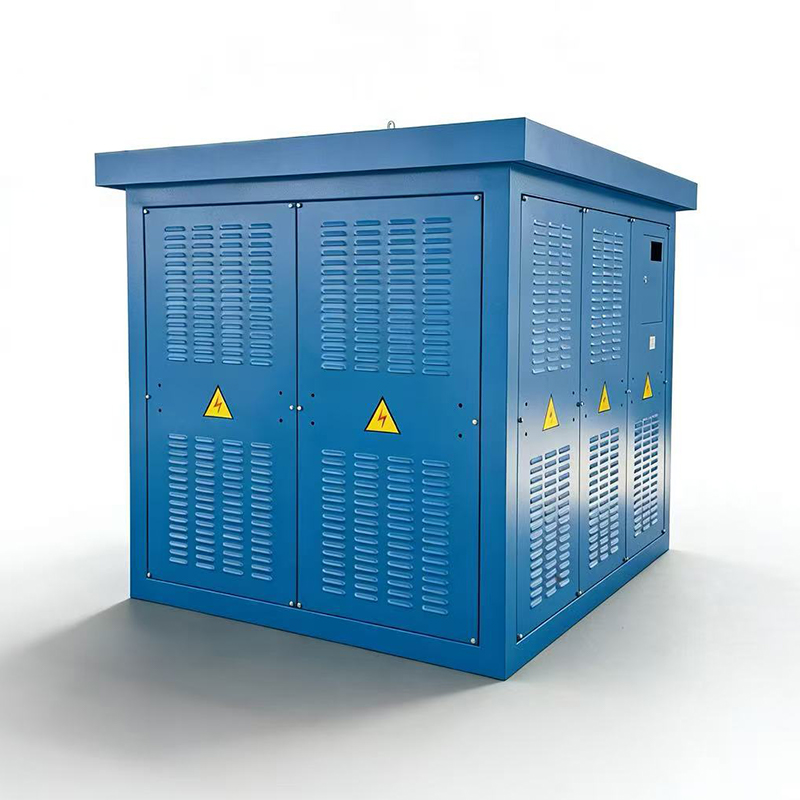
The nameplate rating on a dry-type transformer assumes a specific, unobstructed airflow pattern through the winding ducts, but the actual overload capacity a unit can safely sustain in service depends heavily on how the installation room is configured around it. Ventilation openings positioned too close to a wall, or a room without adequate top and bottom air exchange, can raise the effective operating temperature well above what the design anticipated, silently reducing the transformer's usable overload margin even though the unit itself hasn't changed.
With annual production capacity exceeding 4 million kVA across 35kV and below transformer designs, Taizhou Haitian Electric Manufacture Co., Ltd. provides installation clearance guidance specific to each unit's cooling class, since forced-air (AF) rated units in particular depend on unobstructed fan discharge paths to achieve their rated capacity boost. Facilities that install units in tight mechanical rooms without following these clearance recommendations often find their transformer running hotter than expected, not because of a manufacturing issue, but because the airflow path assumed in the original thermal design was never actually achieved on site.

 English
 русский
 Français
 Español
 عربى
عربى