Why Arc Fault Containment Design Differs Fundamentally Between High Voltage and Low Voltage Switchgear
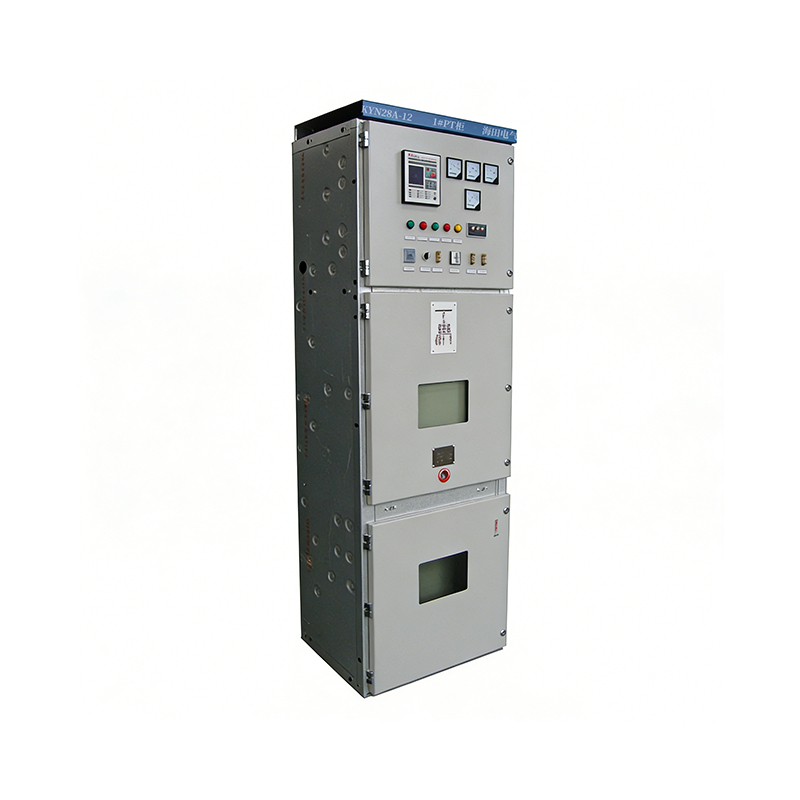
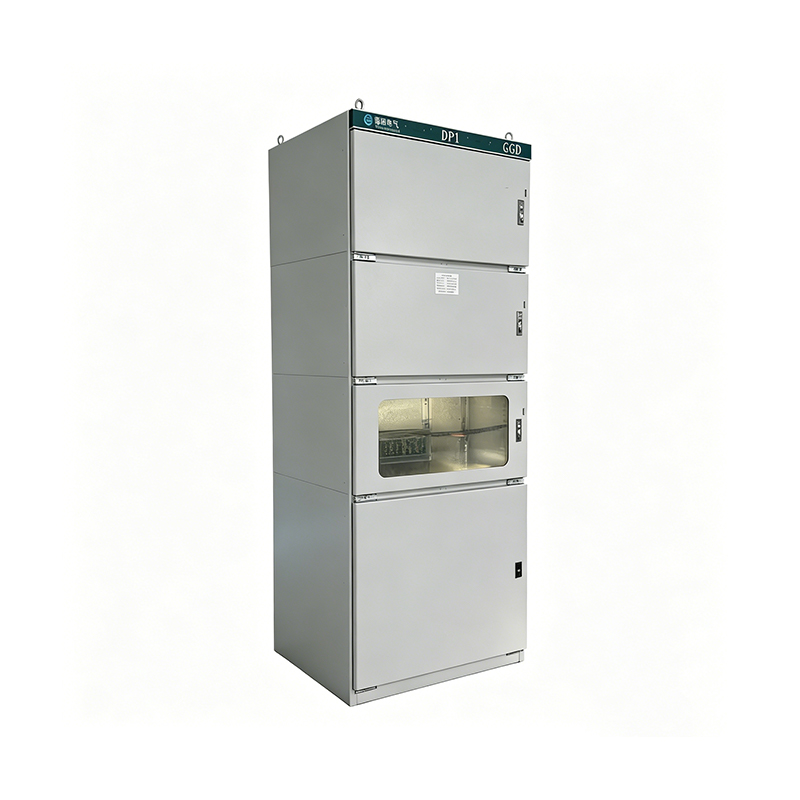
The energy released during an internal arc fault scales dramatically with voltage and available fault current, which is why high voltage switchgear and low voltage switchgear rely on entirely different containment philosophies rather than simply scaled-up or scaled-down versions of the same design. High voltage switchgear typically uses metal-clad or metal-enclosed construction with dedicated arc venting flues that direct pressure and hot gases away from operator access points, since the energy involved can exceed what any enclosure could safely contain internally. Low voltage switchgear, dealing with lower arc energy but often higher fault current magnitudes due to lower system impedance, more commonly relies on current-limiting devices and rapid protective tripping to interrupt the fault before it develops into a sustained arc event.
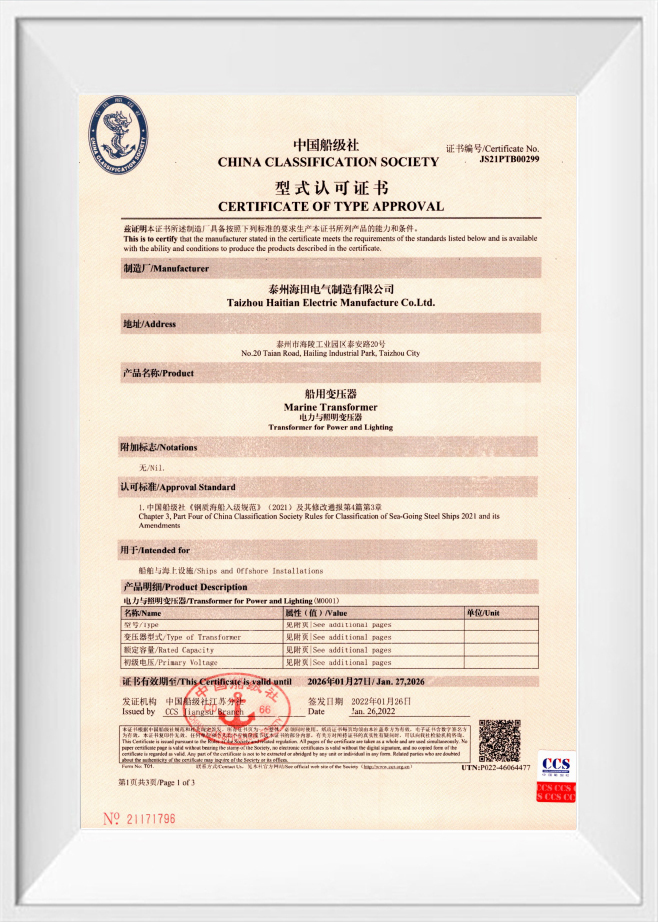
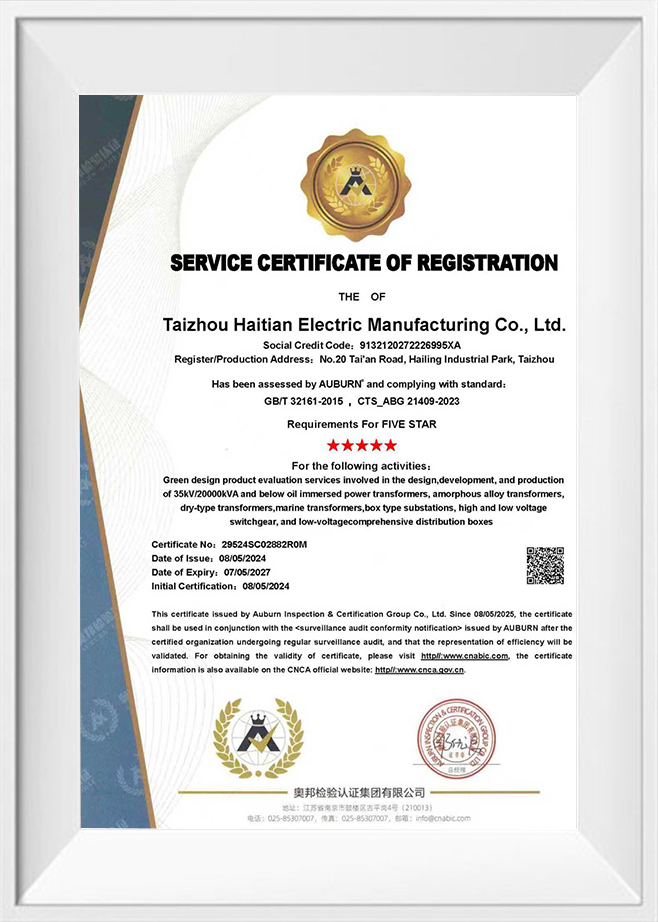
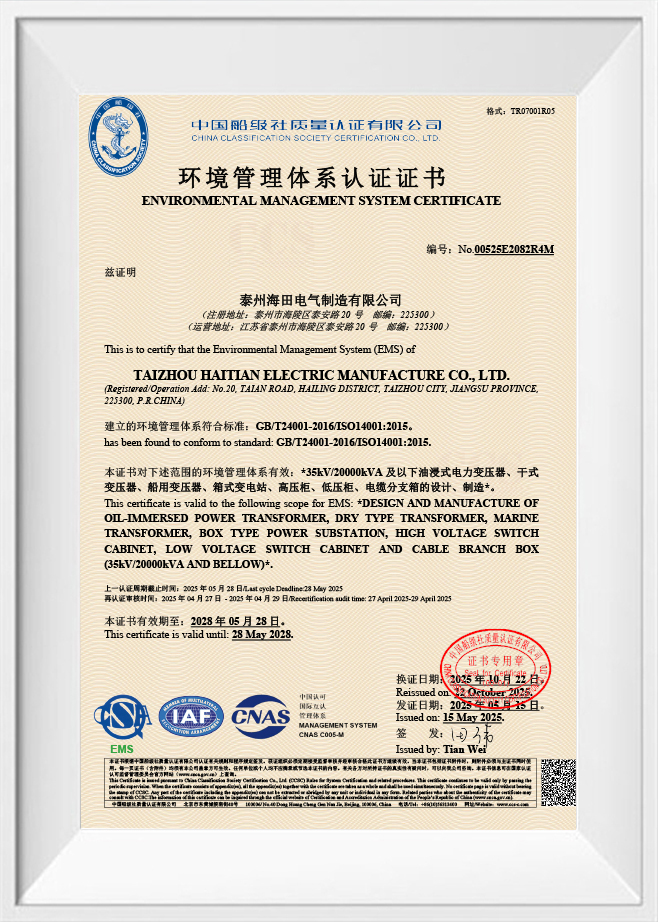
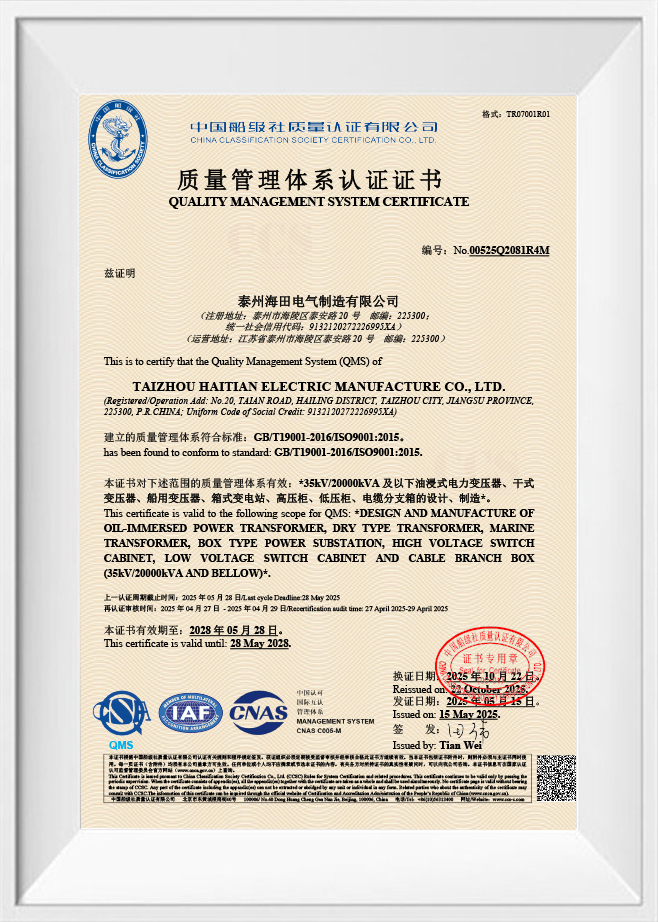
Taizhou Haitian Electric Manufacture Co., Ltd. produces both high & low voltage switchgears within its manufacturing scope, and this distinction in arc management strategy is reflected in the internal compartment design and protection coordination approach applied to each voltage class, rather than treating them as the same engineering problem at different scales.
Contact Resistance Drift and Why Thermal Imaging Alone Isn't Enough
Thermal imaging has become a standard maintenance tool for detecting overheating connections inside switchgear, but relying on it exclusively misses a slower degradation process that occurs well before a hot spot becomes visible on camera. Contact resistance at bolted busbar joints and circuit breaker connections drifts gradually as surface oxidation builds and mechanical pressure relaxes slightly over years of thermal cycling, and this drift can progress significantly before the resulting temperature rise crosses the threshold that thermal imaging reliably detects under normal load conditions.
Micro-ohmmeter testing during scheduled maintenance windows catches this drift at an earlier stage than thermal imaging can, since it measures actual resistance rather than waiting for that resistance to manifest as detectable heat. This distinction matters more for low voltage switchgear installations carrying high continuous current, where even a small resistance increase generates meaningful additional heating due to the higher current magnitude involved.
Recommended Testing Approach by Connection Type
- Bolted busbar joints: micro-ohmmeter testing every 1 to 2 years alongside thermal imaging
- Circuit breaker primary contacts: resistance testing at scheduled breaker maintenance intervals
- Cable lug terminations: torque verification combined with periodic resistance measurement
Protection Coordination Between High Voltage Incoming and Low Voltage Distribution Sections
When high voltage switchgear and low voltage switchgear operate together in the same facility, typically separated by a step-down transformer, protection coordination between the two sections requires deliberate time-current curve planning to ensure a fault on the low voltage side trips only the low voltage breaker, not the upstream high voltage protection. Poor coordination is a common source of unnecessary large-scale outages, where a fault confined to a single low voltage feeder circuit trips the entire facility's incoming high voltage supply because the protective device settings weren't properly staggered.
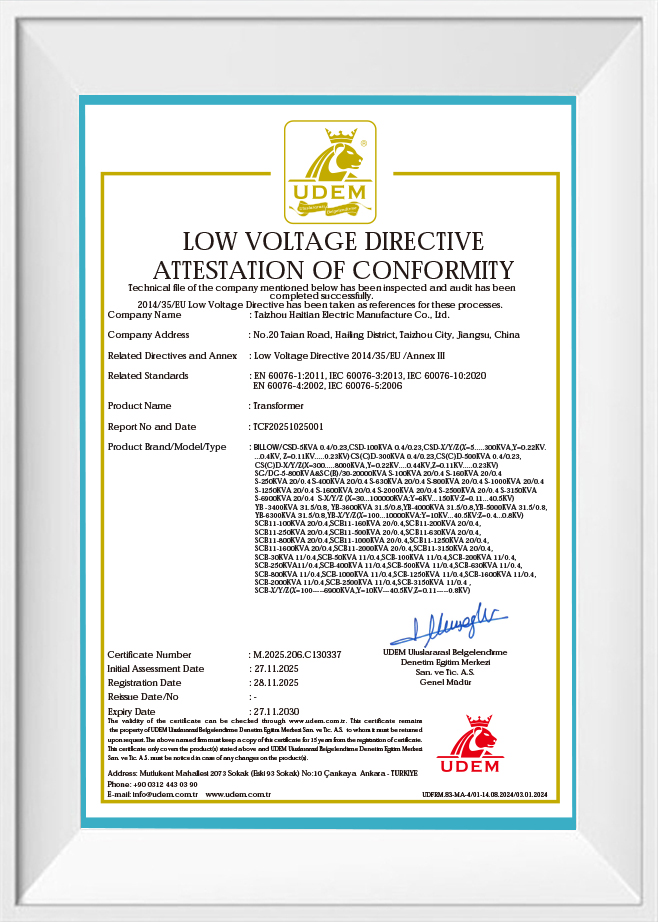
Achieving proper selectivity requires reviewing the transformer's impedance and fault current contribution alongside the protective relay settings on both sides, which is why switchgear and transformer specifications shouldn't be finalized in isolation from each other. With over 50 years of transformer manufacturing experience spanning both transformer and switchgear production, Taizhou Haitian Electric Manufacture Co., Ltd. is positioned to review this coordination across the full electrical chain rather than treating each component as an independently specified item.
| Coordination Factor |
High Voltage Side |
Low Voltage Side |
| Typical protection device |
Relay-operated circuit breaker |
Molded case or air circuit breaker |
| Fault clearing priority |
Backup, delayed trip |
Primary, fast trip |
| Key coordination input |
Transformer impedance, upstream settings |
Feeder load current, downstream devices |
Why Insulation Resistance Testing Frequency Should Differ by Switchgear Age and Environment
A fixed annual insulation resistance testing schedule applied uniformly across all switchgear installations ignores meaningful differences in how quickly insulation actually degrades based on age and operating environment. Switchgear installed in a clean, climate-controlled indoor facility can often maintain stable insulation resistance readings for years at a time, while units operating in high-humidity, high-pollution, or high-vibration environments can show measurable resistance decline within a much shorter window, making a single testing interval either excessive in one setting or insufficient in another.
A more effective approach ties testing frequency to trend data from previous readings rather than a fixed calendar, increasing frequency once resistance values show a declining trajectory rather than waiting for an arbitrary interval to pass. All switchgear products from Taizhou Haitian Electric Manufacture Co., Ltd. carry independent IP and have passed national testing, giving facility teams a documented baseline condition at commissioning against which future trend-based testing can be meaningfully compared.

 English
 русский
 Français
 Español
 عربى
عربى