Why Dissolved Gas Analysis Reveals Problems Long Before Visual Inspection Can
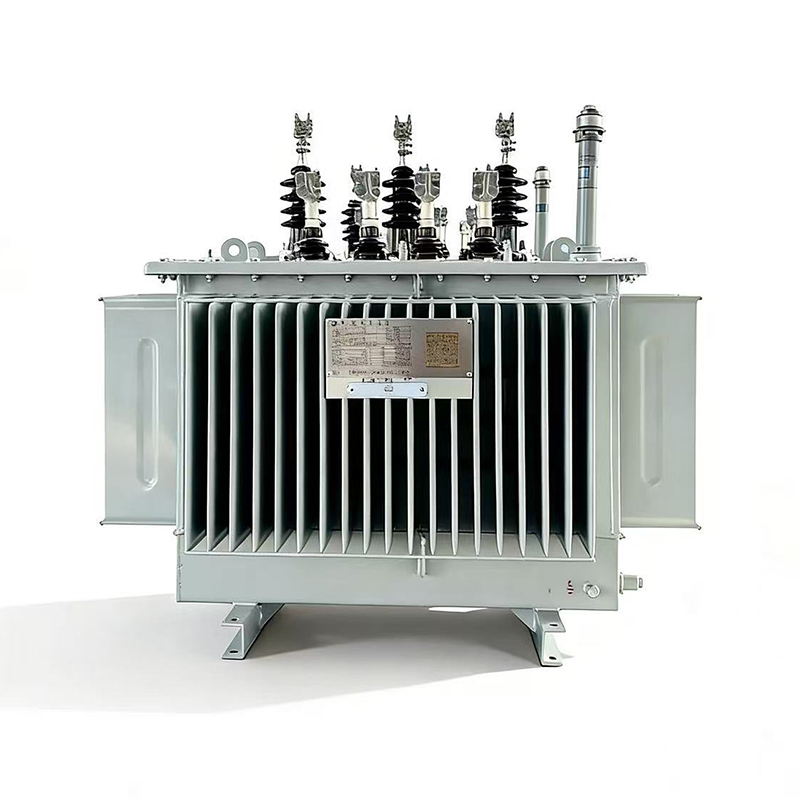
Taizhou Haitian Electric Manufacture Co., Ltd. treats dissolved gas analysis (DGA) as a diagnostic tool rather than a routine paperwork exercise, because the ratio between specific gases tells a far more precise story than a single gas concentration ever could. When an oil-immersed transformer develops a partial discharge, the oil breaks down and releases hydrogen and methane in specific proportions; when the fault involves actual arcing, acetylene appears, which almost never occurs under normal operating conditions. A transformer with rising ethylene alongside ethane typically points to a thermal fault in the 300°C to 700°C range, most often caused by a loose connection or overloaded winding section rather than insulation aging.
Reading these ratios correctly, using established methods such as the Duval Triangle or Rogers Ratio, lets maintenance teams distinguish between a fault that needs monitoring and one that requires immediate de-energization. Waiting for oil discoloration or unusual noise as a trigger for testing means the fault has often progressed well past the point where early intervention could have prevented winding damage.
How Oil Expansion Design Affects Long-Term Moisture Control
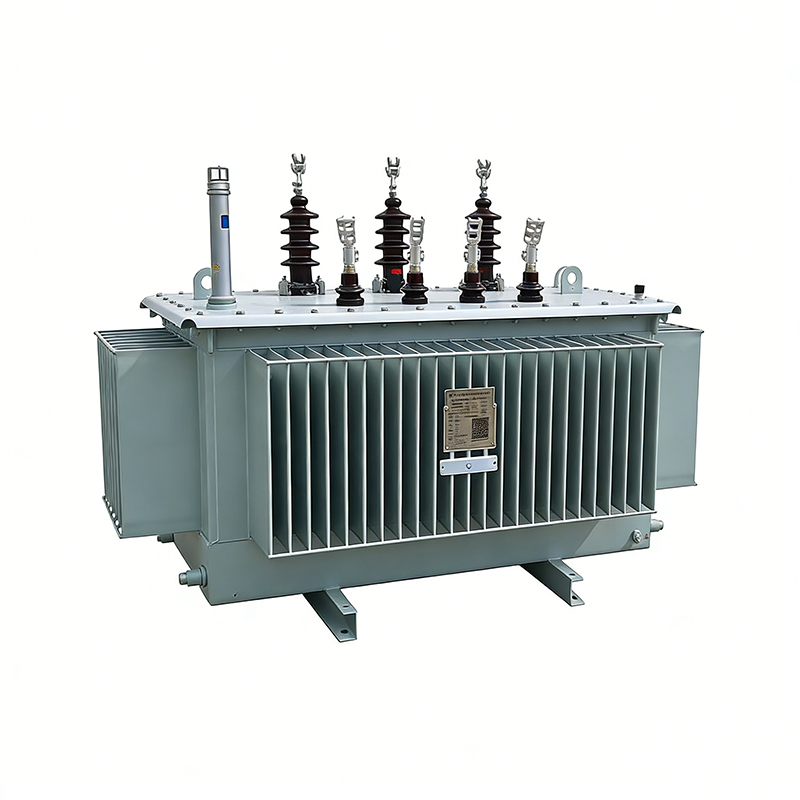
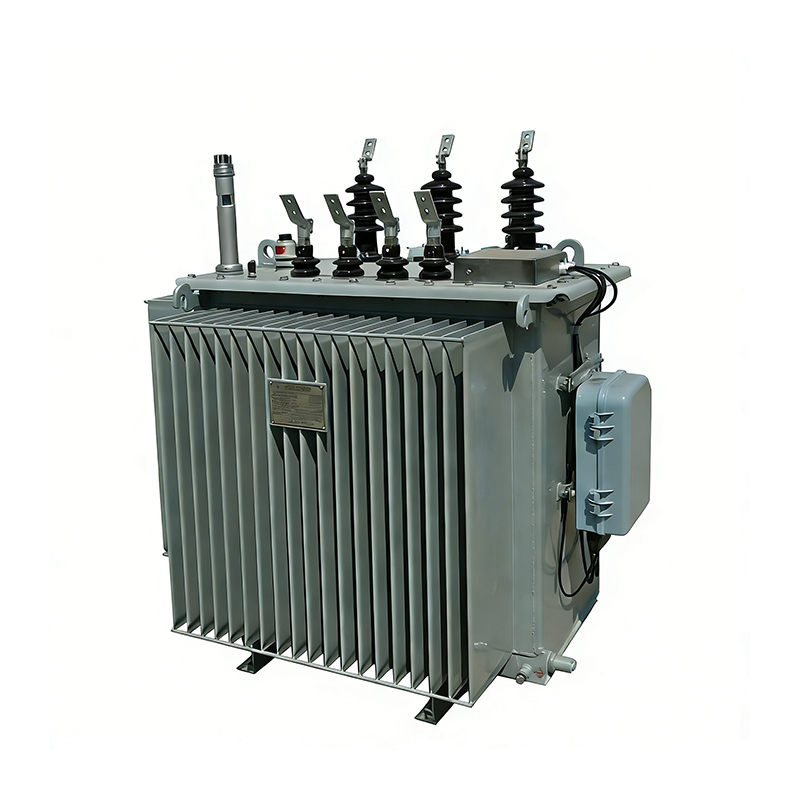
The method used to accommodate oil expansion as temperature rises has a direct, often underestimated effect on how much moisture and oxygen an oil-immersed transformer absorbs over its service life. A conservator-type design uses a separate oil reservoir connected to the main tank, allowing the oil surface to rise and fall with temperature; without a rubber diaphragm or nitrogen blanket separating the oil from open air, this design lets the oil breathe atmospheric moisture every thermal cycle, gradually raising water content in the insulation system.
A sealed tank design, by contrast, uses a fixed volume of oil combined with a gas cushion or corrugated tank walls that flex with thermal expansion, isolating the oil from outside air entirely. With over 100 sets of advanced domestic production and testing equipment across its manufacturing facility, Taizhou Haitian Electric Manufacture Co., Ltd. builds both configurations depending on the operating environment, since sealed designs generally outperform conservator types in humid coastal or tropical climates where atmospheric moisture ingress is a constant pressure on insulation life.
Moisture Control Comparison by Design Type
| Design Type |
Oil-Air Contact |
Best-Fit Environment |
| Open conservator |
Direct, unless fitted with breather |
Dry inland climates |
| Diaphragm conservator |
Isolated by rubber bag |
Moderate humidity regions |
| Sealed corrugated tank |
Fully isolated |
Coastal, tropical, high-humidity sites |
The Relationship Between Oil Acidity and Cellulose Insulation Aging
Oil acidity, measured as the neutralization number, is often read in isolation, but its real significance lies in what it indicates about the paper insulation wrapped around the windings. As oil oxidizes, it produces organic acids that accelerate the breakdown of cellulose fibers in the winding insulation, a process that can be tracked indirectly through furanic compound testing. Once acidity exceeds roughly 0.2 mg KOH/g, the rate of cellulose degradation accelerates noticeably, meaning the oil's condition becomes a leading indicator of insulation life rather than a separate maintenance item.
This is why oil reclamation or replacement should be scheduled based on acidity trends over time, not a fixed calendar interval. A unit operating at high average temperature will generate acids faster than an identical one running lightly loaded, so two transformers of the same age can require very different oil maintenance timelines. Facilities that track this trend, rather than testing reactively, typically catch the acceleration point early enough to intervene with oil regeneration before winding insulation is permanently affected.
- Below 0.1 mg KOH/g: oil condition is stable, standard testing interval applies
- 0.1 to 0.2 mg KOH/g: monitor more frequently, consider planning for reclamation
- Above 0.2 mg KOH/g: cellulose degradation accelerates, schedule oil treatment promptly
Why Tap Changer Contact Wear Is an Overlooked Failure Point
On-load tap changers inside an oil-immersed transformer switch under live current, and every operation causes a small amount of contact erosion from arcing at the moment of transition. Over thousands of switching cycles, this erosion changes contact resistance, which shows up as localized heating that standard top-oil temperature monitoring often misses because the tap changer compartment is frequently isolated from the main tank oil. Left unaddressed, worn tap changer contacts can eventually cause a compartment-specific fault that has nothing to do with the condition of the main winding insulation.
Manufacturing capacity exceeding 4 million kVA annually gives Taizhou Haitian Electric Manufacture Co., Ltd. broad experience across tap changer configurations used on 35kV and below units, and the recommended practice is tracking operation counts against the manufacturer's rated contact life, then scheduling a compartment oil change and contact inspection at that threshold rather than waiting for a fault indicator to appear. This single maintenance step addresses a failure mode that main-tank DGA testing is not designed to catch.

 English
 русский
 Français
 Español
 عربى
عربى