 English
 русский
 Français
 Español
 عربى
عربى
The GGD low-voltage switchgear is a low-voltage distribution device with a reasonable structural design, high breaking capacity, and reliable breaking performance. The switchgear is equipped with a co...
See Details

Content
During a routine inspection at a medium-size manufacturing plant, a maintenance engineer noticed a faint buzzing sound coming from the main low-voltage distribution panel. The panel supplied three production lines, and a shutdown would have stalled the entire shift. The root cause was a loose connection in a switchgear compartment. This is the kind of situation where electrical switchgear proves its value: it controls, protects, and isolates electrical circuits so faults are contained before they turn into costly failures.
In simple terms, electrical switchgear is a centralized collection of switching and interrupting devices—circuit breakers, disconnect switches, fuses, and relays—mounted in a common metal enclosure. It is not just a box; it is the control and protection hub of a power system. The switching devices open and close circuits during normal operation, while the protective devices detect overloads, short circuits, and insulation faults, automatically clearing them to limit damage to equipment and personnel.
Switchgear works by maintaining a safe distance between live conductors and the enclosure, and by interrupting fault currents through a controlled arc-quenching process. When a fault occurs, the protection relay senses the abnormal current and sends a trip signal to the breaker. The breaker opens, the arc is extinguished in the interrupting medium (air, oil, vacuum, or gas), and the affected circuit is isolated. This sequence happens in milliseconds, keeping the rest of the network operational.
A typical switchgear assembly contains a set of standardized components, each with a defined function. Understanding these parts helps you specify the right arrangement for your facility.
The combination of these components determines the switchgear's short-circuit rating, operating duty, and safety performance. For a medium-voltage installation, for example, the circuit breaker and the protection relay must be coordinated so that the breaker clears a fault before the upstream transformer or network protection operates.
Switchgear is commonly grouped into three nominal voltage ranges, because each range involves different insulation, clearances, and arc-interruption solutions.
LV switchgear operates up to 1 kV and is widely used in industrial distribution panels, commercial buildings, and low-voltage motor control centers. The devices are compact, and the most common protection elements are molded-case circuit breakers, air circuit breakers, and fuses.
MV switchgear covers voltages from 1 kV to 38 kV. It is common in utility distribution substations, large industrial plants, and renewable generation collector systems. At this level, the enclosure must withstand internal arc pressure, and vacuum circuit breakers are often preferred because of their high interruption performance and low maintenance.
HV switchgear applies to systems above 38 kV and appears in transmission substations. These assemblies are usually gas-insulated or air-insulated, and their design is heavily governed by the network's fault current and switching transient requirements.
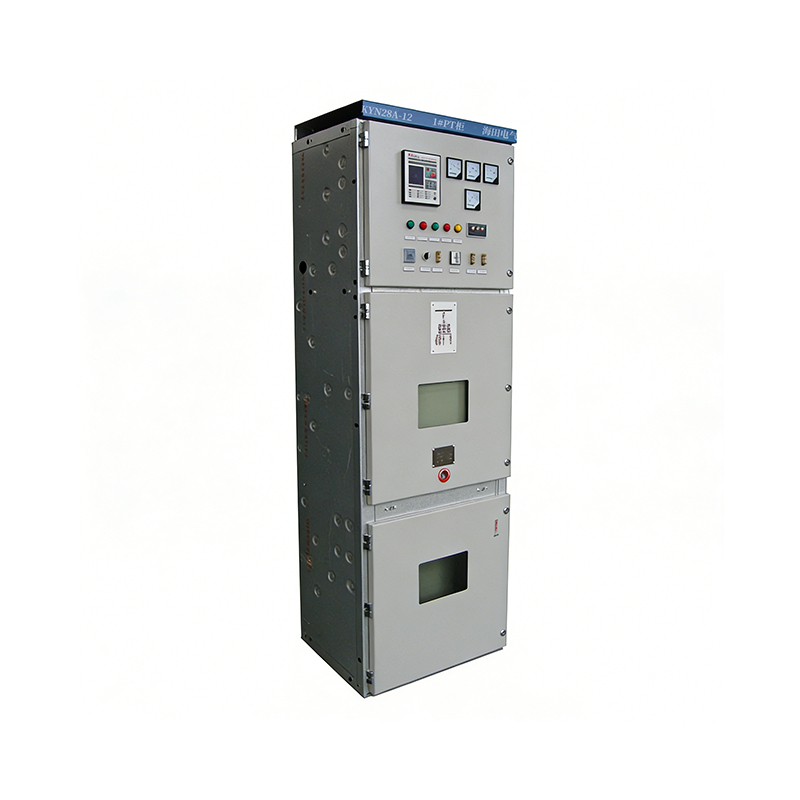 KYN28 Medium-Voltage Armored Switchgear for Power DistributionThis metal-enclosed removable switchgear features internal compartment separation and handcart circuit breakers. Its five-prevention interlock and insulation design support reliable operation in high-voltage distribution systems, fitting the discussion of medium-voltage switchgear for projects up to 35 kV.View Product →
For most distribution projects up to 35 kV, the choice between LV and MV switchgear is the first decision, because it determines the enclosure footprint, insulation levels, and protection scheme.
The insulation medium inside a switchgear influences its size, maintenance needs, and environmental suitability.
The selection of insulation medium should consider site conditions, maintenance capability, safety regulations, and total cost of ownership, not just the initial price.
Choosing the right switchgear requires matching the device to your circuit parameters and operating environment. The following table summarizes the most critical parameters you should evaluate during the specification process.
| Parameter | Role in Selection |
|---|---|
| Rated voltage | Must match the nominal system voltage and the insulation class required by the network. |
| Rated current | Defines the continuous current the switchgear can carry without overheating. |
| Short-circuit breaking capacity | Determines the maximum fault current the breaker can interrupt safely. |
| Protection degree | IP rating and enclosure type affect suitability for dust, moisture, or outdoor exposure. |
| Installation environment | Indoor versus outdoor, elevation, temperature, and corrosive atmosphere must be taken into account. |
| Space and footprint | Compact designs such as gas-insulated systems help in tight substation rooms. |
| Maintenance plan | Vacuum breakers need minimal maintenance; oil and air devices typically require more frequent service. |
When the main distribution switchboard is installed, the upstream transformer rating and the downstream feeder loads must be coordinated to avoid false trips or blind spots. If you are integrating a transformer with a switchgear package, ensure that the transformer's impedance and the switchgear's short-circuit ratings are consistent.
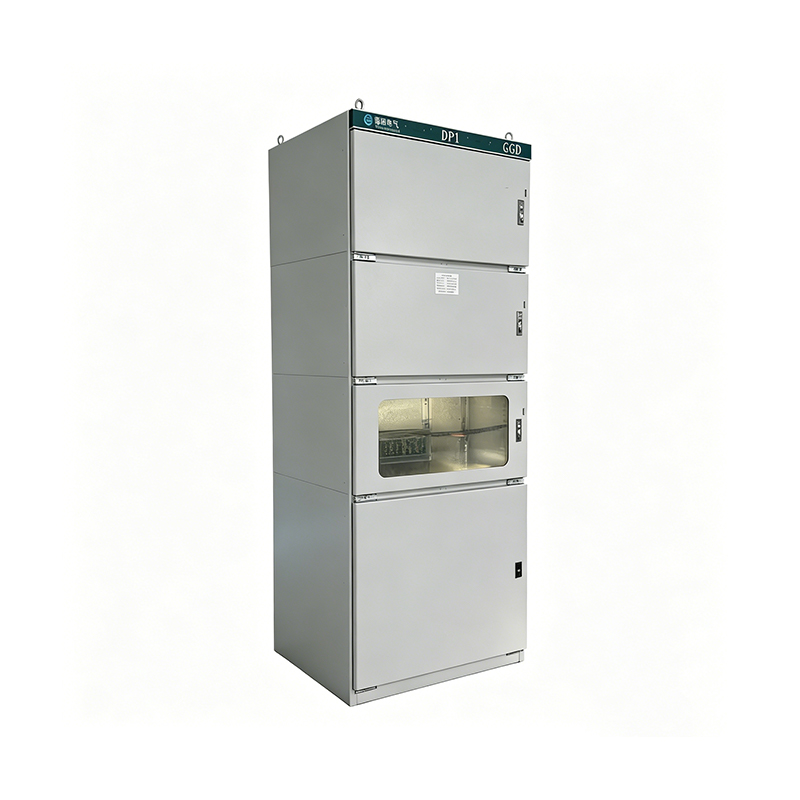 GGD Low-Voltage Switchgear for Distribution and ControlThis low-voltage distribution device offers high breaking capacity and a complete circuit configuration. It is suitable for power distribution and control in residential, commercial, and industrial settings, aligning with the focus on low-voltage switchboards and busbar systems.View Product →
For low-voltage distribution boards, low-voltage switchgear with molded-case breakers and busbar systems is a practical choice. The enclosure temperature rise and busbar insulation should be verified by testing, not only by calculation.
Switchgear is present in every environment where electrical power must be distributed safely and continuously. The application context determines the required ratings and configuration.
Utility substations use MV switchgear for feeder control, transformer protection, and bus tie applications. These installations require high reliability, remote monitoring capability, and conformance to utility standards.
Manufacturing plants depend on switchgear for process continuity. Motor feeders, transformer secondary circuits, and generator distribution panels are typical applications. Arc-resistant designs are increasingly specified to protect personnel in hazardous areas.
In commercial high-rise buildings, switchgear feeds vertical risers that supply floors and critical loads. Data centers require redundancy and static transfer capabilities, so switchgear structures are often duplicated.
Solar and wind plants use switchgear to connect inverter or generator outputs to the grid. Box-type substations combine the transformer, switchgear, and low-voltage distribution in one weatherproof enclosure, which reduces installation time and site work. For a photovoltaic power station, the prefabricated substation is positioned near the inverter arrays to bring medium-voltage distribution closer to the source.
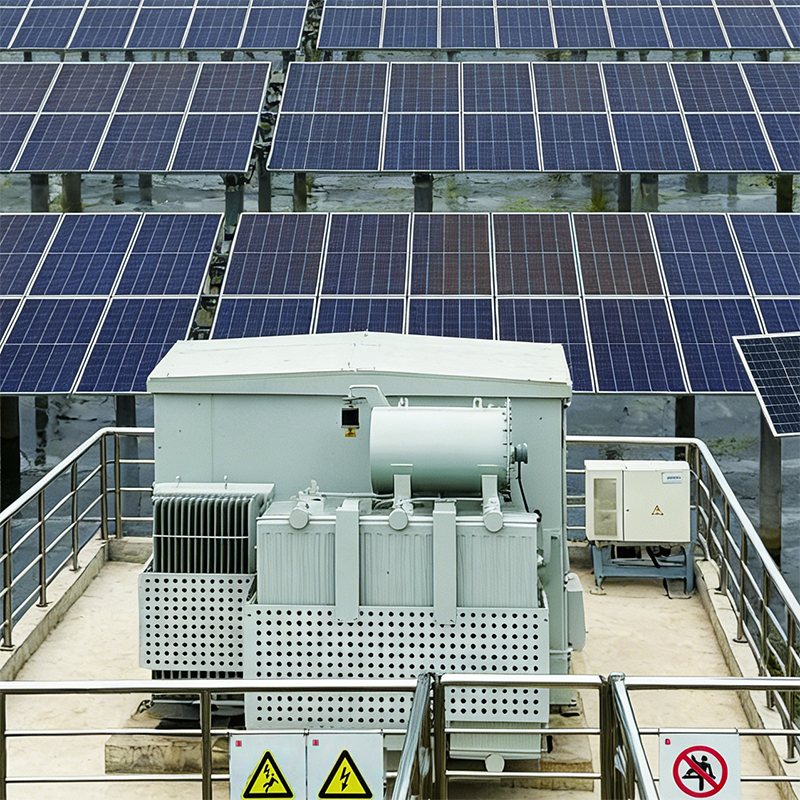 Photovoltaic Prefabricated Substation for Solar Grid ConnectionDesigned for outdoor photovoltaic plants, this substation integrates high- and low-voltage distribution, protection, and metering. It steps up module voltage for grid connection, withstands harsh environments, and supports efficient, safe operation in solar applications.View Product →
In fire-sensitive installations such as hospitals and high-rise buildings, dry-type transformers are often preferred because they eliminate the risk of fire from insulating oil. The same logic applies to switchgear: selecting appropriate insulation and enclosure materials helps reduce fire hazards and meets stricter building codes.
International standards such as IEC 62271 for high-voltage switchgear and IEC 61439 for low-voltage switchgear define performance, testing, and safety requirements. In China, national standards such as GB 3906 and GB/T 7251 apply to medium- and low-voltage assemblies. Compliance with these standards ensures the equipment has passed routine tests like dielectric withstand, temperature rise, and mechanical operation.
Routine maintenance is essential for long-term reliability. Typical tasks include visual inspection of enclosures and busbars, thermal imaging to detect hot spots, lubrication of operating mechanisms, and periodic testing of protection relays and trip units. The interval depends on ambient conditions; dusty or coastal environments typically require shorter maintenance cycles.
For critical applications, the ability to perform in-house testing before dispatch is a significant advantage. Switchgear assemblies should be witnessed during factory tests to verify the integrity of the circuit breaker operation and protection coordination. A manufacturer with direct production and testing capabilities for transformers and switchgear can deliver a co-ordinated package more effectively.
At Taizhou Haitian Electric, we manufacture 35 kV and below transformers, box-type substations, and high-low voltage switchgear with over 50 years of experience. Our test facility and production line allow us to provide electrical equipment that fits the actual fault level and operating environment, helping utilities and industrial customers avoid downtime in the field.

The GGD low-voltage switchgear is a low-voltage distribution device with a reasonable structural design, high breaking capacity, and reliable breaking performance. The switchgear is equipped with a co...
See Details
The KYN28 medium-mounted high voltage switchgear adopts a metal armored, removable enclosed structure. The switchgear has clear internal compartments and reliable safety performance. The switchgear is...
See Details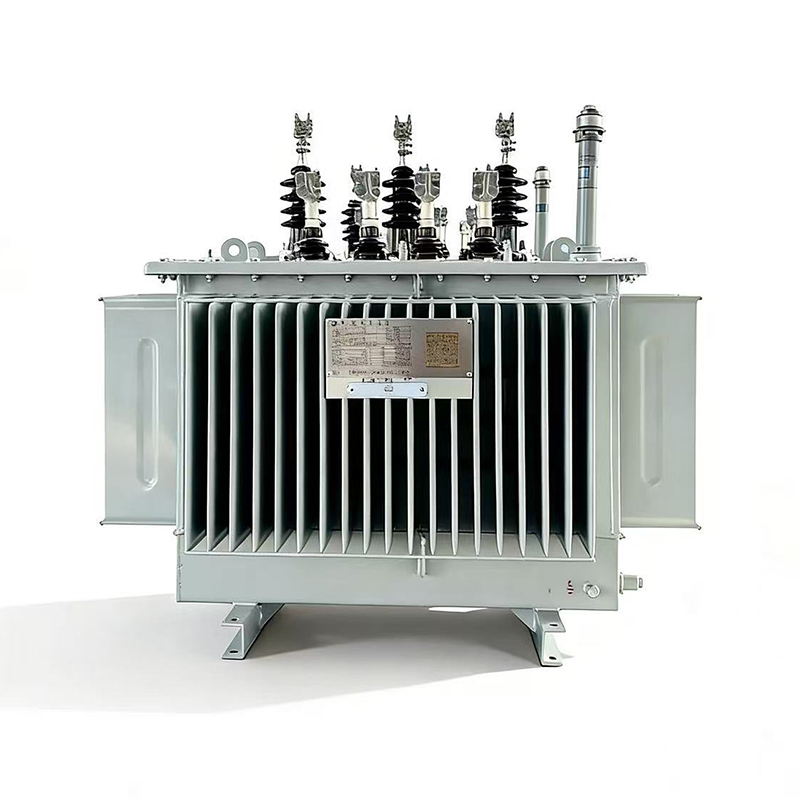
A laminated core distribution transformer is a classic power device applied to voltage conversion and power transmission. This transformer enjoys mature technical performance, high operation reliabili...
See Details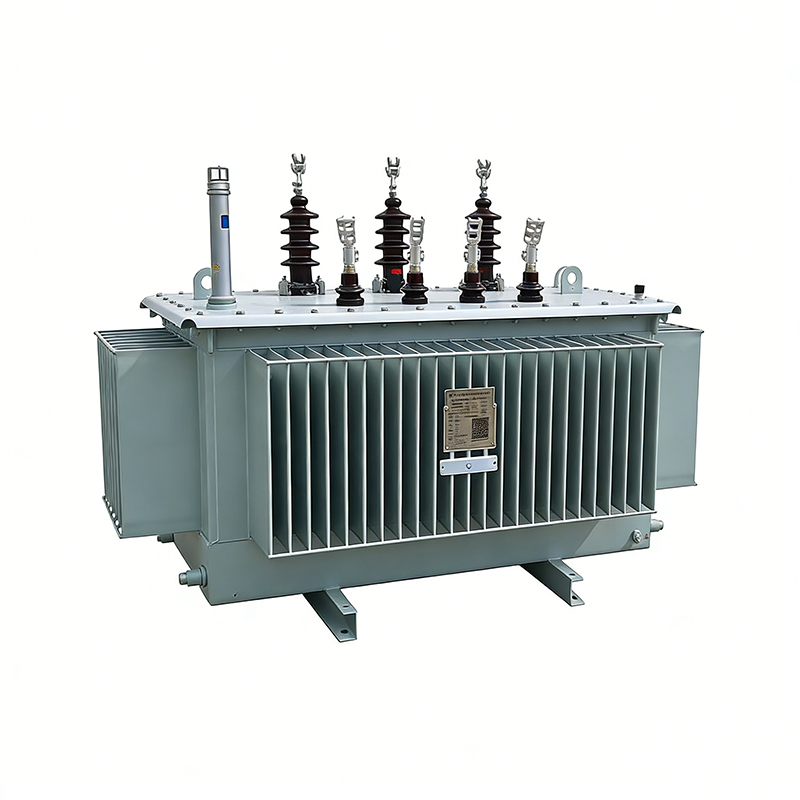
The amorphous alloy non-distribution transformer adopts an iron-based amorphous alloy wound core and a fully sealed oil-immersed corrugated oil tank structure. This transformer features extremely low ...
See DetailsHey! Interested in staying in the loop? Sign up for our updates. We won't spam you, pinky promise.

Taizhou Haitian Electric Manufacture Co., Ltd.
